The Ultimate Guide to Samurai Streetwear & The Modern Warrior Ethos
By The Babul Store Editorial Team
In a world of fast fashion and fleeting digital noise, a quiet rebellion is rising. It is not found in the neon flashes of temporary trends, but in the deep, structured shadows of history. It is the return of the Warrior Archetype.
Welcome to the definitive exploration of "The Warrior's Shadow." This guide is not merely about clothing; it is a manifesto for the modern individual seeking resilience, depth, and identity in their wardrobe. Whether you are searching for the perfect cotton T-Shirt, decoding the ancient symbolism of the Oni mask, or seeking to understand the psychological power of the dark aesthetic, you have arrived at the dojo.
The Warrior Archetype in the 21st Century
The Psychological Necessity of the Warrior
Why, in the technologically advanced year of 2025, do we look back to the feudal warriors of Japan for aesthetic guidance? The answer lies in the collective unconscious. Psychological theorist Carl Jung identified the Warrior as one of the four primary masculine archetypes (alongside King, Magician, and Lover).
The Warrior energy is not about mindless violence. In its mature form, it represents:
- Discipline: The ability to master oneself before attempting to master the world.
- Focus: The clarity to see the objective amidst chaos.
- Protection: The strength to defend boundaries—both physical and psychological.
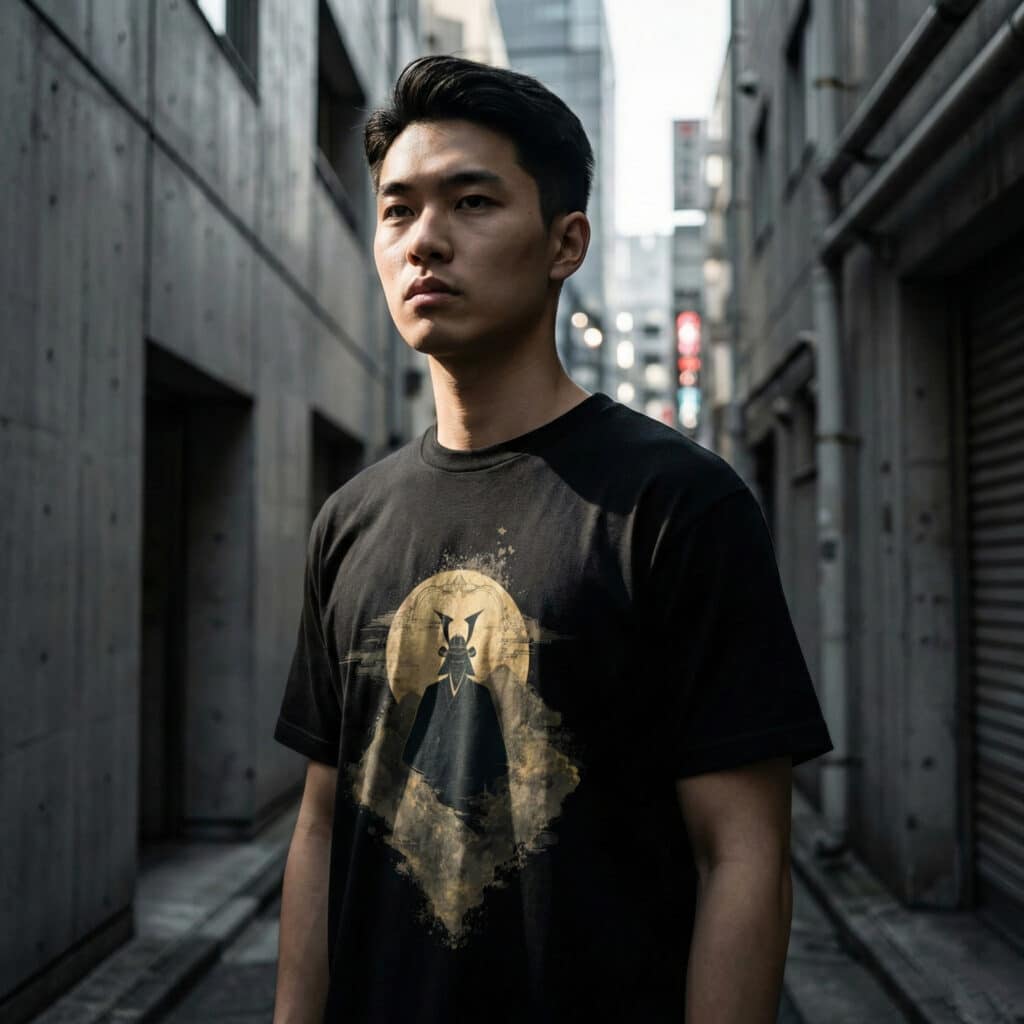
In our modern "Attention Economy," where distractions are the enemy and burnout is the casualty, the Warrior archetype offers a necessary antidote. The "Warrior's Shadow" collection at Babul Store is designed to be the physical manifestation of this internal fortitude. It is for the "Modern Ronin"—the freelancer, the entrepreneur, the creative—who walks a solitary path but adheres to a strict internal code.
Streetwear as Modern Armor
Streetwear has always been a vehicle for cultural resistance. From the punk movements of the 1970s to the hip-hop revolution of the 90s, it has allowed the wearer to signal their tribe and their values. Today, Japanese streetwear stands at the apex of this evolution, merging the rebellious spirit of the street with the meticulous craftsmanship of traditional Japan.
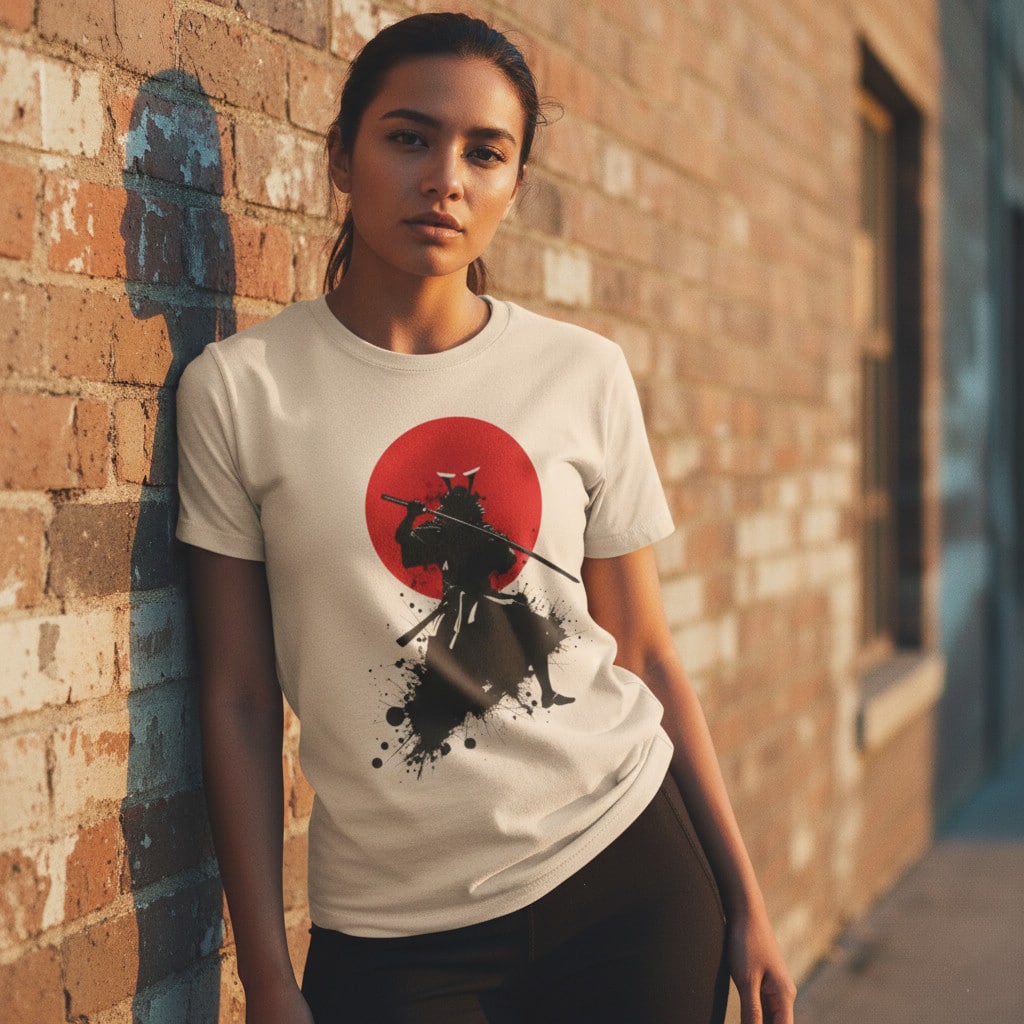
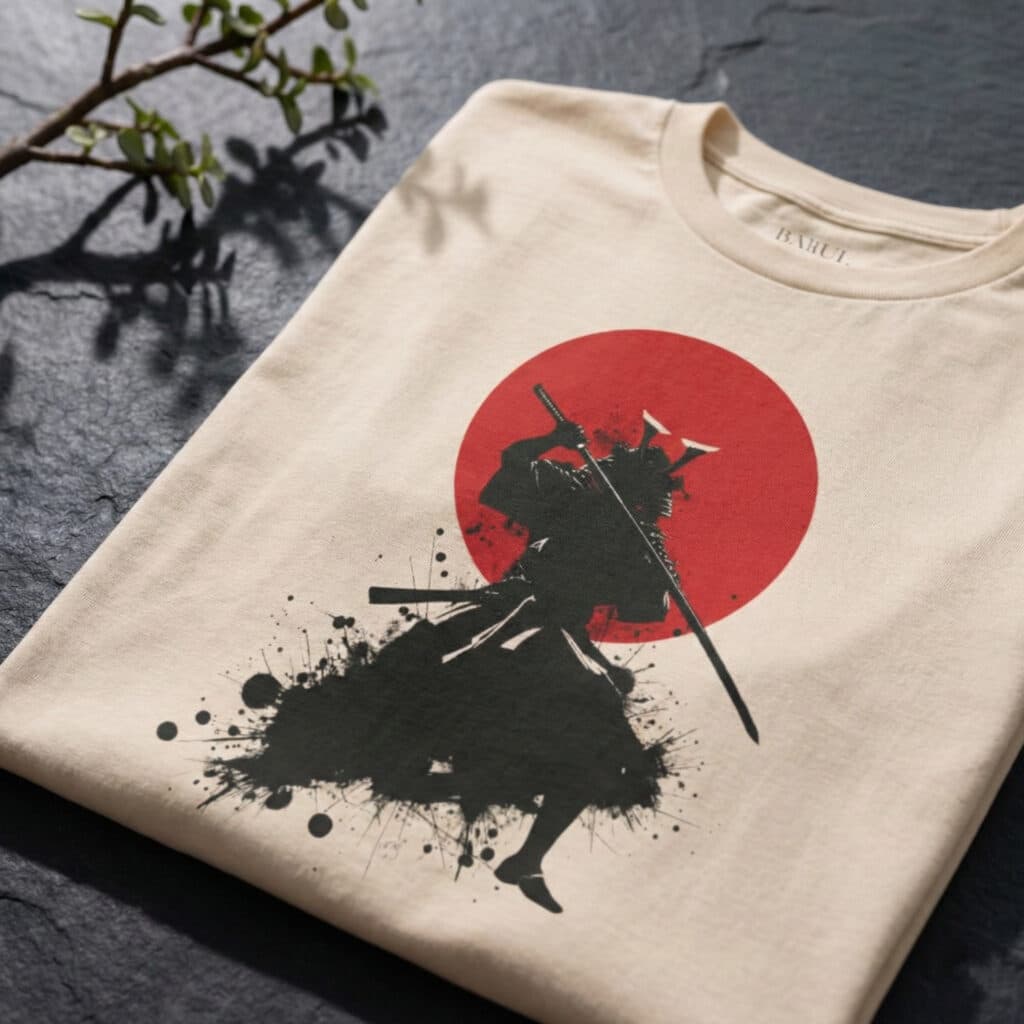
When you put on a Babul Store T-Shirt featuring the "Warrior's Shadow" motif, you are engaging in a ritual. You are stepping into a persona. This concept is backed by the psychological theory of Enclothed Cognition, which suggests that the symbolic meaning of our clothes can actually improve our cognitive performance and confidence.
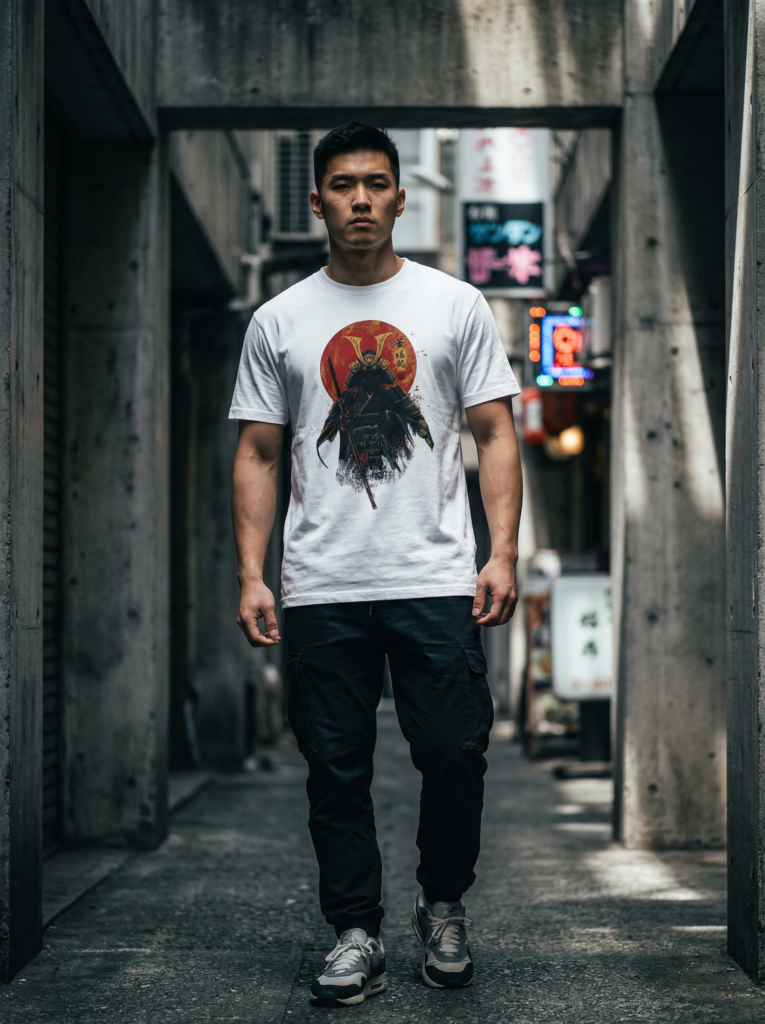
The 2025 Aesthetic Shift: Gothic Revival & Sustainable Minimalism
Fashion trends are cyclical, but the shift we are seeing for 2025 is profound. The industry is moving away from the "Logomania" of the 2010s, where giant brand names were plastered across chests—toward subtler, darker, and more meaningful designs.
The Gothic Revival:
We are witnessing a resurgence of dark, moody aesthetics. This "Dark Fashion" movement is not about angst; it is about sophistication and mystery. It utilizes a palette of blacks, charcoals, and midnights to create silhouettes that are commanding yet understated.1 This aligns perfectly with the Samurai aesthetic, which favored deep indigo and black lacquer armor to intimidate opponents and conceal blood.
Sustainable Minimalism:
The modern consumer is tired of disposable clothing. They want quality. They want a t-shirt that doesn't lose its shape after one wash. This demand for durability mirrors the Samurai's relationship with their tools. A katana was not disposable; it was a soul-bound object, maintained with reverence. Heavyweight cotton and premium French Terry fabrics are the modern equivalents of that folded steel—built to last, built to endure.12
Decoding the Symbols – A Visual Lexicon
To wear the "Warrior's Shadow" collection is to speak a language without words. The graphics on these tees and sweatshirts are not arbitrary; they are steeped in centuries of folklore and philosophy. Understanding them transforms your outfit from a "look" into a statement.
The Oni Mask: Demon or Guardian?
One of the most striking images in the collection is the Oni Mask. To the uninitiated Western eye, the Oni appears simply as a demon or ogre. However, in Japanese culture, the Oni occupies a complex dual role.
The Evolution of the Oni
Originally, Oni were seen as harbingers of disaster and disease. They were the invisible spirits (On) that brought misfortune. However, over the Edo period, their symbolism shifted. They became symbols of raw, untamed power. Because they were so fearsome, they began to be used as protective talismans.
Do not just put on clothes. Put on a mindset. When you wear the "Warrior's Shadow," visualize yourself stepping into the discipline of the Samurai. Your posture will shift. Your voice will drop. You will be ready.
This is why you see Onigawara (Oni-faced roof tiles) on Japanese temples. The logic is simple: to ward off evil, you must display a face more terrifying than the evil itself. When you wear the The Warrior’s Shadow T-Shirt, you are not aligning yourself with evil; you are donning a talisman of protection. You are signaling that you are the guardian of your own energy.
When you wear your T-Shirt remember the Bushido code.
- Gi: Be true to yourself.
- Yu: Have the courage to stand out.
- Makoto: Be sincere in your style.
Fashion is the skin we choose to show the world. In a sea of conformity, choosing to wear something with meaning is a revolutionary act.