To stand in the hushed, twilight shadows of a museum gallery and gaze upon the polished steel of a centuries-old blade is to look directly into the soul of Japan’s history. Around the world, curators and historians are increasingly recognizing that the bushi—the warrior class—were far more than the blood-soaked combatants of popular imagination. They were a class of profound contradictions: masters of death who cultivated breathtaking art, ruthless tacticians who wept at the beauty of a falling cherry blossom.
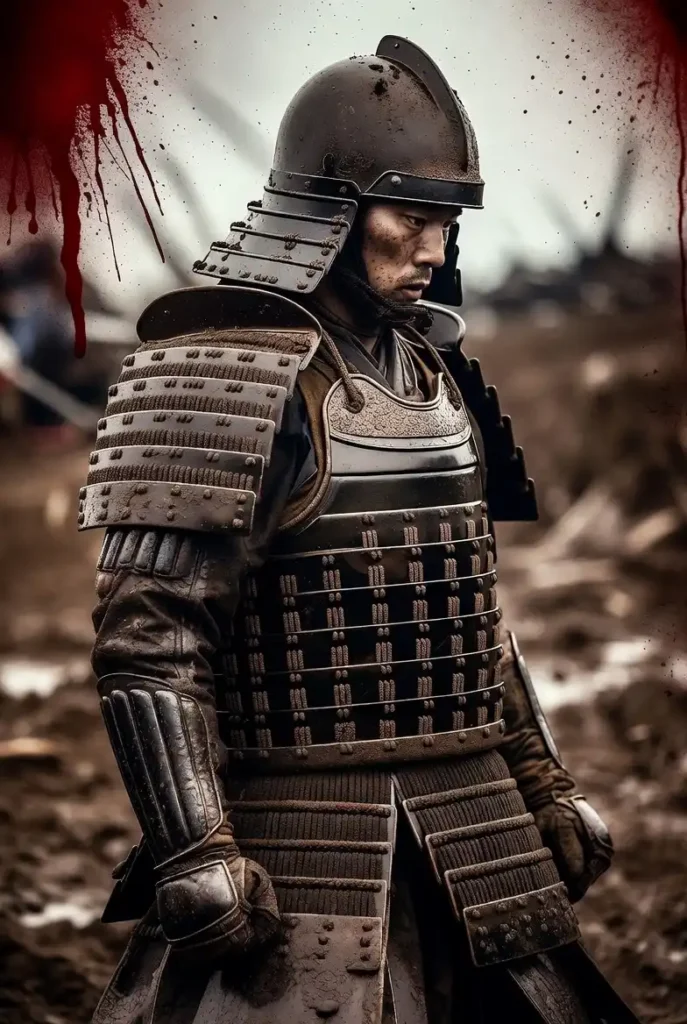
Today, international institutions are moving beyond the mere display of weapons. Instead, they weave these artifacts into the “tapestry of the lifestyle, presenting the samurai as the philosopher-poets, bureaucrats, and cultural patrons they truly were. As we approach 2026—marking 150 years since the 1876 Haitōrei Edict banned the public wearing of swords and effectively ended the samurai class—a renaissance of breathtaking exhibitions is taking place across the globe.
Here is a journey through the most compelling current and recent exhibitions exploring the true way of the warrior.
Shattering the Warrior Mythos: The British Museum
“Samurai” (London, UK | February 3 – May 4, 2026)
The British Museum is staging one of the most ambitious deconstructions of the samurai legend to date. This exhibition challenges the invented traditions that often cloud our modern understanding of these historical figures, revealing a class that was deeply engaged in diplomacy, governance, and the arts.
Instead of focusing solely on the chaotic battlefield, this exhibition illuminates the profound cross-cultural exchanges of the era. A staggering highlight is the 1585 portrait of Itō Mancio, a thirteen-year-old samurai who led Japan’s first diplomatic mission to Europe, ultimately reaching the Vatican. The curators also shine a long-overdue light on the onna-bugeisha (female warriors) and the women of the samurai household, who made up roughly half of the samurai population during the peaceful Edo period. Visitors can witness a vermilion-red firefighting jacket adorned with watery motifs, worn by women serving within Edo Castle, proving that duty and danger were not exclusively male domains.
The Language of the Blade: Kyoto National Museum
“Forging Bonds Through Blades” (Kyoto, Japan | February 4 – March 22, 2026)
To truly understand the samurai, one must learn to “read” their most sacred possession. The Kyoto National Museum’s feature exhibition is an intimate, technical masterclass in sword appreciation, utilizing National Treasures and Important Cultural Properties.
Here, the nihontō (Japanese sword) is presented not as a tool of violence, but as a pinnacle of metallurgical science and artistic devotion. The exhibition guides visitors through four poetic themes:
• Form: How the sweeping curvature and the shape of the nakago (tang) evolved alongside the shifting tides of warfare.
• Inscriptions (Mei): The poignant messages, boasts of martial prowess, and smith signatures carved into the hidden steel.
• Blade Patterns (Hamon): The breathtaking temper lines—resembling misty mountains, crashing waves, or clove blossoms—created through the perilous quenching process (yaki-ire).
• Carved Decoration: The religious carvings (horimono) that transformed the blade into a floating prayer for divine protection.
Shadows of the Shogun: The Tokugawa Art Museum
“Brothers in Arms” (Nagoya, Japan | April 18 – June 14, 2026)
Unlike national museums that gather artifacts from disparate sources, the Tokugawa Art Museum houses the unbroken, hereditary lineage of the Owari Tokugawa clan. Walking through its faithfully recreated shoin (study) and Nō theater stages, one feels the heavy, refined presence of the daimyō (feudal lords).
In 2026, the museum presents the special exhibition “Brothers in Arms,” operating in synergy with NHK’s year-long Taiga drama about the unifier Toyotomi Hideyoshi and his brother Hidenaga. This exhibition explores the human, psychological depths behind the unification of Japan. By displaying majestic battle batons (saihai) and the terrifyingly beautiful silver-foil armor of the Owari lords, the museum captures the fragile balance between political ambition, sibling loyalty, and the devastating weight of power.
The Aesthetics of Peace and Splendor: The Metropolitan Museum of Art
“Samurai Splendor: Sword Fittings from Edo Japan” (New York, USA | March 2022 – March 2025)
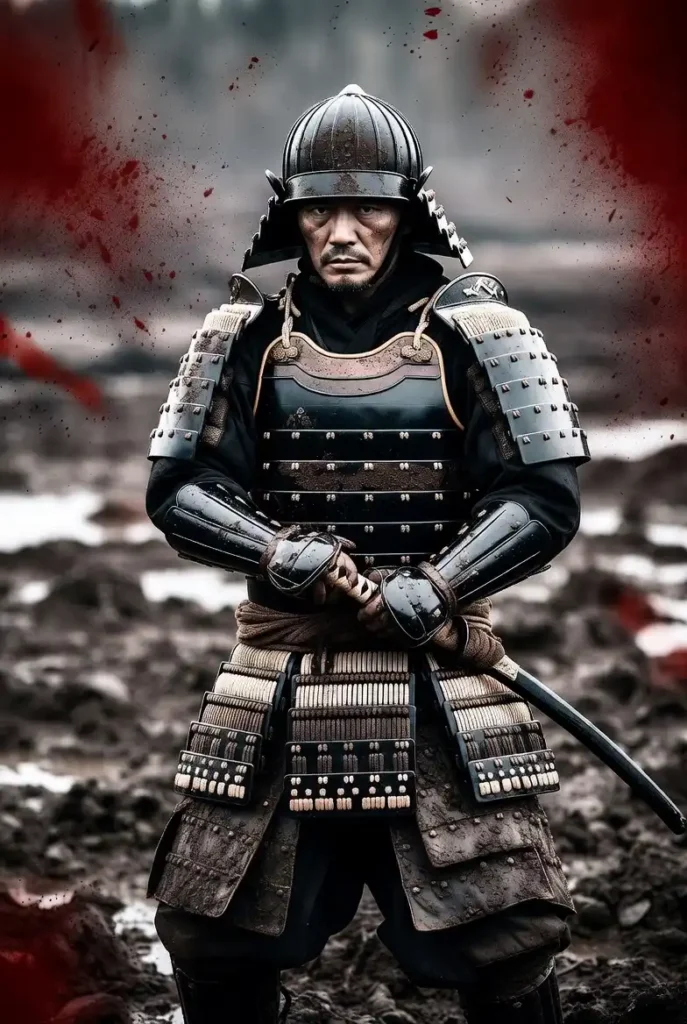
When Tokugawa Ieyasu pacified the nation in the early 1600s, he ushered in a 250-year era of profound peace. Denied the battlefield, the samurai turned their immense discipline inward, channeling their wealth and status into the microscopic details of their attire.
The Met’s recent exhibition offered a mesmerizing look at this era, focusing on the tsuba (sword guards) and mounting fittings of the daishō (the paired long and short swords). Because the ruling class faced strict sumptuary laws limiting outward displays of wealth, these intricate fittings—crafted from gold, silver, and the blue-black copper alloy known as shakudō—became the ultimate canvas for a warrior’s personal philosophy and refined taste.
Resurrecting the Past Through Light: JAPAN HOUSE Los Angeles
“NEO-JAPONISM | SAMURAI AND BEYOND” (Los Angeles, USA | February 14 – September 1, 2025)
For those unable to travel to the mist-shrouded castles of Japan, JAPAN HOUSE in Los Angeles is utilizing cutting-edge technology to resurrect the samurai spirit. This exhibition utilizes ultra-high-definition 3DCG (three-dimensional computer graphics) to liberate priceless artifacts from behind their protective glass.
Visitors can interactively manipulate a 15th-century dō-maru armor or an 800-year-old tea bowl prized by warriors, rotating them to examine the meticulous, invisible craftsmanship that defined the samurai aesthetic. Accompanied by physical costumes designed by Kazuko Kurosawa (daughter of legendary director Akira Kurosawa), the exhibition proves that the digital age can serve as a profound vessel for ancient honor.
Europe’s High-Tech Sanctuary: Samurai Museum Berlin
Permanent Exhibition (Berlin, Germany)
Holding the largest collection of samurai artifacts in Europe (over 4,000 pieces from the Peter Janssen Collection), the Samurai Museum Berlin has revolutionized how we interact with this history.
The museum strips away the sterile “glass-case” approach, utilizing holographic performances, rotating showcases, and gigapixel imaging to immerse visitors. From witnessing a digital Nō theater performance to closely examining the terrifying menpō (iron face masks) designed to strike fear into enemies and honor ancestral spirits, the Berlin museum provides a breathtaking, sensory expedition into the mind of the warrior.
The Forges of the Modern Warrior: Master Artisans and Armorers
To walk the path of the bushi is to appreciate the profound weight of iron, leather, and silk. For those seeking to wrap themselves in the historical legacy of the samurai, several masterful workshops and digital armories not only craft these magnificent panoplies but deeply chronicle the evolution of the warrior class.
Iron Mountain Armory (samurai-armor.com / ironmountainarmory.com)
This armory is a revelation for both the martial artist and the historian. They masterfully detail the genealogy of yoroi (armor)—from the imposing, boxy silhouettes of the Heian mounted archers to the highly efficient, bullet-deflecting tōsei-gusoku (“modern equipment”) of the Warring States period. Beyond their rich historical guides, they handcraft fully functional, customizable armor sets, alongside authentic traditional garments like the hakama and the cross-over hakama-shita.
Marutake Armor Factory (marutake-yoroi.myshopify.com/en)
Located in Kagoshima Prefecture, Marutake is the undisputed titan of Japanese armor reproduction, commanding roughly ninety percent of the domestic market for replica armor used in cinema and historical festivals. Their online platform offers beautiful insights into the meticulous, traditional methods required to wear and maintain the armor, while selling breathtaking replicas of legendary warlords like Oda Nobunaga and Takeda Shingen.
Pacific Armory (pacificarmory.com)
For the uninitiated stepping into the world of Japanese metallurgy, Pacific Armory serves as a profound educational gateway. They beautifully demystify the complex terminology of the samurai panoply—breaking down the spiritual and practical purposes of the kabuto (helmet), the terrifying menpō (face mask), and the dō (cuirass). In tandem with this education, they supply handcrafted, authentic-style armor sets built for display, reenactment, and martial practice.
Sanctuaries of Antiquity: Museums and High-End Dealers
For the dedicated collector seeking to possess a genuine artifact forged centuries ago, these institutions bridge the gap between historical preservation and global commerce.
Samurai Museum Shop (samuraimuseum.jp/shop/)
Born from the Samurai Museum in Tokyo’s bustling Shinjuku district, this shop acts as an educational and cultural nexus. They publish detailed guides on how to legally acquire and care for authentic Japanese swords, while offering an astonishing inventory. Here, one can acquire museum-grade antique katanas, intricately carved tsuba (handguards), and magnificent Marutake replica armors.
Samurai Store (samuraistore.com)
This esteemed gallery operates with a deep reverence for the “ceremonial prestige aesthetic” of the Edo period. They offer a staggering array of 100% handcrafted replica armors, but their true allure lies in their curation of highly certified, antique yoroi and kabuto from the 16th to 19th centuries.
Giuseppe Piva Japanese Art (giuseppepiva.com)
Operating at the pinnacle of art dealing, this gallery offers deeply evocative, scholarly articles on the fundamental anatomy and construction of the samurai helmet. For the affluent collector, they offer extraordinarily rare, museum-quality antique armors and helmets, such as the exquisite Suji-bachi and Mōsunari kabuto.
The Path of the Martial Artist: Armaments and Traditional Garb
To understand the philosopher-poet heart of the samurai, one must look at the tools and garments that defined their daily, disciplined existence.
Tozando (tozandoshop.com / japanesesword.net)
Rooted in Kyoto, Tozando is an indispensable resource for the modern budō practitioner. Their blog is a treasure trove of historical research, exploring the daily routines, spiritual philosophies, and economic struggles of the Edo-period warrior. Alongside this profound storytelling, they sell an exhaustive array of martial arts equipment, newly forged katanas (shinsakuto), and traditional yoroi armor.
TrueKatana (truekatana.com)
This platform weaves evocative tales of historical samurai elegance, offering deep walkthroughs of the evolution of civil and martial clothing—from the restrictive kamishimo of the Edo courts to the breathable hitoe worn beneath armor. They cater to enthusiasts by selling a vast array of katanas, ninja swords, and complete Japanese samurai armor sets.
Katana Sword / Katana US (katana-sword.com / katana-us.com)
Delving into the invisible architecture of the warrior’s mind, their articles explore the intimate, spiritual relationship between the samurai, the sword as the “soul of the warrior,” and the overarching ethos of bushidō. Their storefront provides an extensive selection of custom blades, display swords, and samurai armor.
The Global Armories: Merchants of the Blade and Scale
The aesthetic of the samurai has transcended the borders of Japan, maintained by passionate global merchants who ensure the legacy of the bushi continues to echo around the world.
Kult of Athena (kultofathena.com)
As one of the largest global arms dealers, they chronicle the violent, beautiful evolution of the katana and the warriors who wielded it. Their vast inventory includes everything from raw blades to complete suits of samurai armor.
Suigenkyo Online Store (suigenkyo.store)
A beautiful digital space dedicated to preserving the history of Japanese craftsmanship. They offer deep cultural context and interviews with artisans, while serving as a primary vendor for the masterfully crafted Marutake samurai armor and exquisite civilian crafts.
Guardians Vault Australia (guardiansvaultaustralia.com)
This outfitter provides the physical foundation of the warrior’s attire. They offer traditional garments like the flowing hitatare kamishimo—the “upper and lower” clothing set—alongside samurai armor and weaponry.
Battle-Merchant (battlemerchant.com)
A sprawling European hub for historical reenactors. Their blog discusses the profound connection between Zen Buddhism, the bushidō code, and the art of swordsmanship. They supply a diverse range of armors, katanas, and maintenance kits.
Espadas y Más (espadasymas.com)
This Spanish marketplace explores the melancholic legacy of the rōnin (masterless samurai) and the profound bond of honor forged in steel. They cater to the European market with an array of anime-inspired weapons, historical Japanese helmets, and martial armor.
Wyrmwick (wyrmwick.com)
Though primarily focused on European and fantasy aesthetics, this UK-based armory provides high-quality polyurethane armor replicas for historical reenactment, film, and theater, offering an accessible entry point for those wishing to don the heavy mantle of the past.
- The primary weapon of the samuraiThere was no single primary weapon across their entire history; rather, their favored instrument of war evolved in harmony with the changing tides of battle and society. The wind howls across the plains of feudal Japan, carrying the scent of pine and impending conflict. When we picture the noble samurai standing amidst this tempest, our… Read more: The primary weapon of the samurai
- Kurosawa’s films influence modern stories like Star WarsWhen we gaze up at the starlit expanse of a cinematic galaxy far, far away, we are, in truth, looking down into the rain-soaked mud and mist of feudal Japan. Long before lightsabers hummed in the dark, the sharp ring of the samurai sword echoed through the visionary mind of Japanese auteur Akira Kurosawa. To understand the… Read more: Kurosawa’s films influence modern stories like Star Wars
- Mono no AwareIt fit not as a contradiction, but as the very heart of the samurai soul. Mono no aware — that exquisite, aching awareness of how beautiful things are precisely because they are fleeting — was never a soft indulgence for the bushi. It was the emotional and philosophical steel that made their hardness meaningful. The… Read more: Mono no Aware
- The Guardian of the Inner Sanctum: The Heavy Mantle of the Samurai Women (Oku-sama)Samurai women (Oku-sama) of the bushi (warrior class) were explicitly expected to defend their homes, estates, and castles as a fundamental duty rooted in loyalty to family, clan honor, and the samurai ethos. While men fought on distant battlefields, wives, mothers, and daughters served as the last line of protection for the household—especially during the… Read more: The Guardian of the Inner Sanctum: The Heavy Mantle of the Samurai Women (Oku-sama)
- The magnificent Owari Tokugawa helmet (kabuto) and menpō (face guard)To stand before the hereditary treasures of the Owari Tokugawa clan is to be confronted by the breathtaking weight of power, frozen in iron, lacquer, and silver. Housed within the hushed galleries of the Tokugawa Art Museum in Nagoya—a sanctuary preserving the unbroken lineage of the most senior branch of the Tokugawa shogunate—these artifacts tell… Read more: The magnificent Owari Tokugawa helmet (kabuto) and menpō (face guard)