This space is dedicated to unraveling the true, deeply human tapestry of the lifestyle of the Samurai, the warriors of pre-industrial Japan. Here, we will journey beyond the battlefield and into the quiet tea rooms, the bustling castle towns, and the philosophical depths of a people who shaped a nation for nearly seven centuries.
This is your gateway into the world of the samurai.
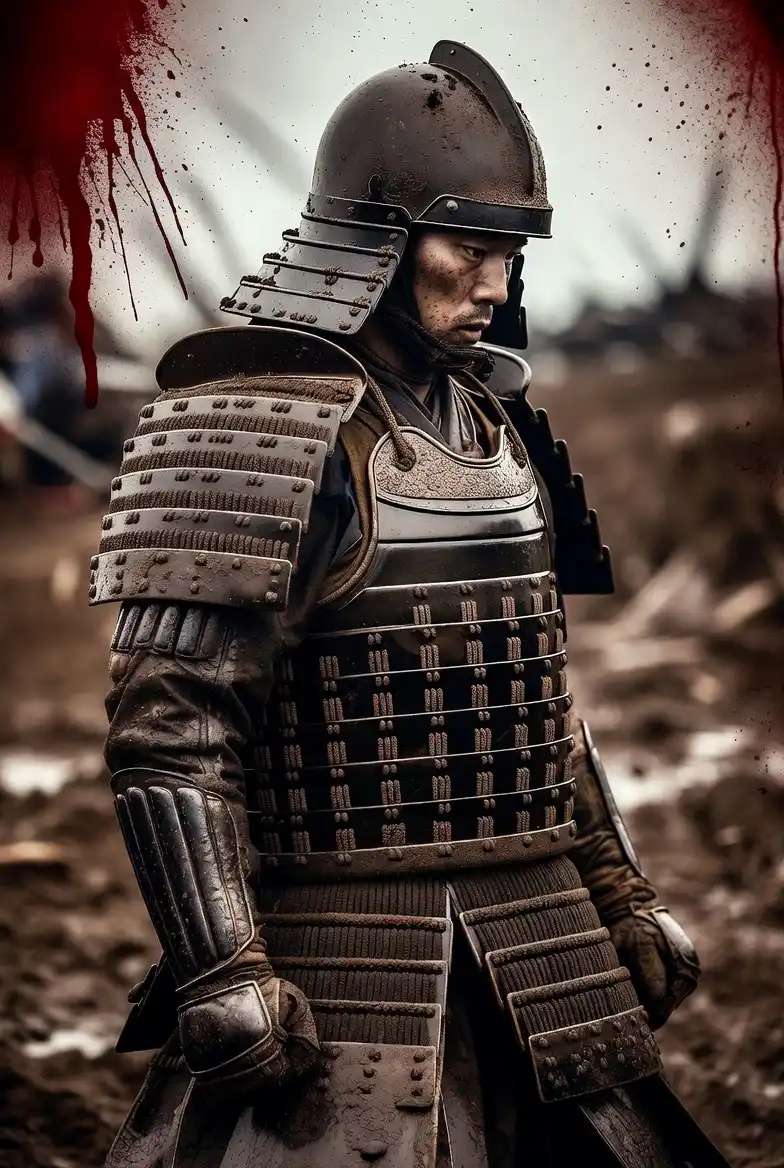
To hold a blade capable of severing flesh and bone is a terrifying responsibility.
To gaze upon a centuries-old sword is to look into the soul of a nation. In my years of tracing the lineage of Japan’s warrior elite, I have often stood in the quiet halls of museum archives, separated from the past only by a pane of glass, struck by a profound realization: the men and women who forged this history were far more than the blood-soaked swordsmen of popular myth. They were a class of contradictions. They were trained to sever a life with a single, flawless strike, yet they were equally expected to weep at the fleeting beauty of a cherry blossom falling to the earth.
The Dawn of the Blade: Origins and Evolution of the Samurai Class
The story of the samurai does not begin with noble lords in grand castles, but in the rugged, untamed frontiers of the Heian period (794–1185). The central imperial court, frustrated by the failures of a drafted peasant army against the horse-riding Emishi tribes of the north, turned to a new strategy: the privatization of military force. Wealthy provincial landowners began raising their own private militias of highly skilled, mounted archers.
These hired bows and swords became known as the samurai, a term derived from the ancient verb saburau, which simply means “to serve”. Originally acting as armed guards and tax collectors for the aristocracy, these provincial warriors slowly realized that they held the true power. By 1192, following the devastating Genpei War, the victorious Minamoto no Yoritomo established the Kamakura shogunate, shifting the political center of gravity from the refined courtiers of Kyoto to the pragmatism of the military class. From that moment, the samurai ceased to be mere servants; they became the de facto rulers of Japan.
Forging the Spirit: Bushido and the Path of the Philosopher-Poet
To understand the samurai is to understand the invisible architecture of their minds. Their ethical universe was governed by bushido, “The Way of the Warrior.” Though modern audiences often view this as an ancient, rigid law, it was actually a fluid, unwritten ethos that evolved dynamically over centuries, drawing deeply from Shinto, Zen Buddhism, and Neo-Confucianism.
It was during the 250 years of profound peace in the Edo period (1603–1868) that this code was formally codified. Stripped of their wars, the samurai justified their elite status by aspiring to become moral exemplars for society, guided by seven core virtues: Gi (Rectitude), Yu (Courage), Jin (Benevolence), Rei (Respect), Makoto (Sincerity), Meiyo (Honor), and Chūgi (Loyalty).
Crucially, the samurai were expected to walk a dual path known as bunbu-ryōdō—the harmony of the pen and the sword. A true warrior was incomplete without cultural refinement. They poured their discipline into calligraphy, poetry, and the tea ceremony (chanoyu), seeking to cultivate a state of “no-mind” (mushin) and an absolute calmness (seijaku) that would serve them whether they were facing a lethal duel or arranging flowers in a vase.
Masterpieces in Iron and Silk: The Armor and Weapons of the Samurai
The material culture of the samurai is a testament to an unparalleled obsession with both fatal utility and breathtaking aesthetics. At the center of this world was the katana. Forged through a sacred, exhausting process of folding and differential tempering, the sword was universally revered as the “soul of the samurai”. By the Edo period, the samurai were the only class legally permitted to wear the daisho—the paired long katana and short wakizashi—thrust through their sashes as a visible badge of their authority.
Their protective gear was equally magnificent and evolving. Early mounted archers of the Kamakura period wore the ō-yoroi (“great armor”), heavy, boxy suits made of thousands of individual iron and leather scales laced together with vibrant silk cords. However, as warfare shifted to massed infantry and the introduction of European firearms in the Sengoku (Warring States) period, armorers adapted. They created the tōsei-gusoku (“modern equipment”), utilizing solid iron plates to deflect musket balls while offering greater mobility for hand-to-hand combat. Crowning these suits were the kabuto (helmets), often adorned with demonic menpo (face masks) and elaborate crests designed to strike terror into enemies and honor ancestral spirits.
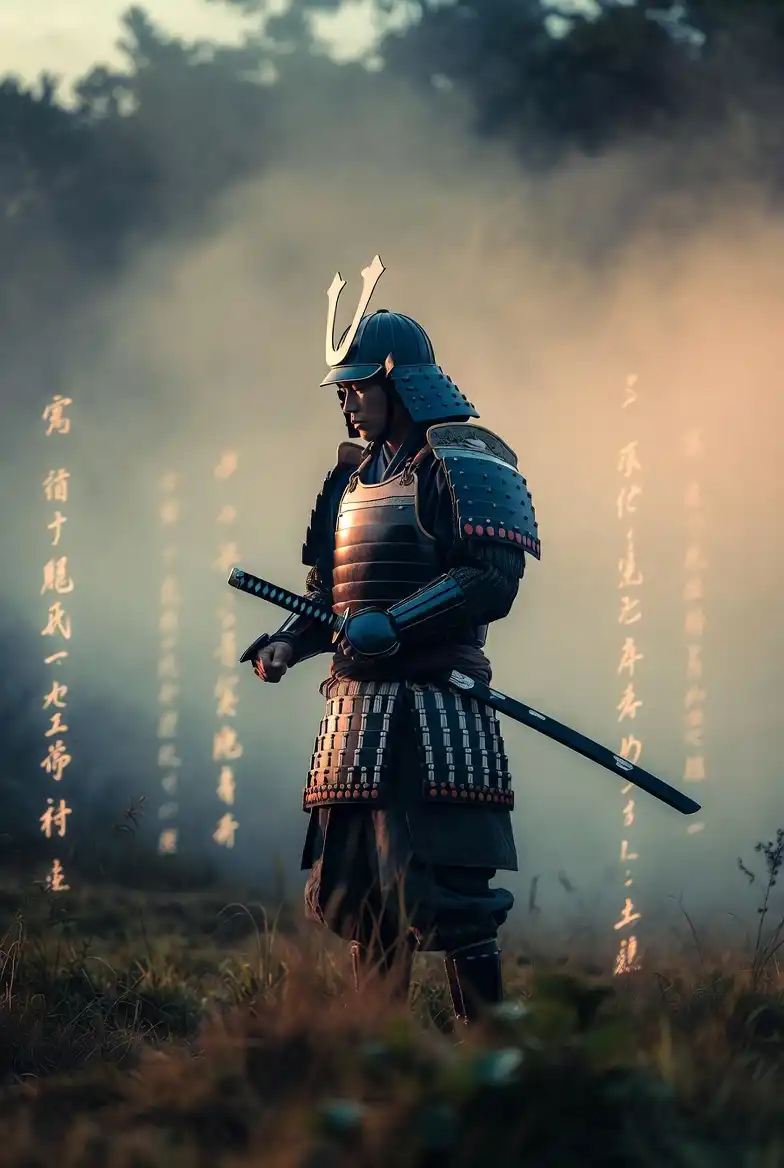
Kamishimo, the formal uniform of the samurai class.
Behind the Castle Walls: Daily Life, Duty, and the Samurai Household
In the Edo period, the Tokugawa shogunate froze society into a strict four-tiered hierarchy known as Shi-nō-kō-shō: warriors at the top, followed by farmers, artisans, and finally merchants. The samurai were moved off their ancestral lands and corralled into castle towns, transitioning from rural warlords to urban bureaucrats. They were paid not in coin, but in koku—a measure of rice equivalent to what one man would eat in a year.
Yet, life was not always a grand display of wealth. The foundation of their existence was the ie (the household or family line), which superseded any individual desire. Within the ie, the women of the samurai class wielded immense, quiet power. Known respectfully as the oku-sama (“the honored one within”), the samurai wife managed the estate’s finances, directed the servants, and oversaw the rigorous moral education of the children. Furthermore, she was the last line of defense. Trained in the martial arts, particularly with the curved polearm known as the naginata, the onna-bugeisha (female warrior) stood ready to defend her home to the death if her husband fell in battle.
And what of those who lost their place in this rigid world? The tragic figure of the ronin (masterless samurai) emerged as a profound social issue. Bound by pride, these drifting warriors, untethered from a lord and a stipend, often lived in abject poverty, walking a razor’s edge between holding onto their honor and surviving as mercenaries or artists in a changing world.
The Fading of the Topknot: The Meiji Restoration and the End of an Era
The era of the samurai met a rapid, heart-wrenching conclusion in the mid-19th century. The arrival of Western powers forced Japan to open its borders, exposing the military obsolescence of the shogunate. The ensuing Meiji Restoration of 1868 returned political power to the Emperor and set Japan on a frantic course of modernization.
In a matter of years, the ancient privileges of the warrior class were systematically dismantled. The government established a national conscript army, abolishing the samurai’s monopoly on warfare. The final, devastating blow came in 1876 with the Haitōrei Edict, which explicitly banned the samurai from carrying their beloved swords in public. Stripped of their stipends, their status, and the visible symbol of their soul, some rose up in the tragic Satsuma Rebellion of 1877—the samurai’s heroic, doomed final stand against the modern age.
The Rust Upon the Blade: When the Samurai Began to Fade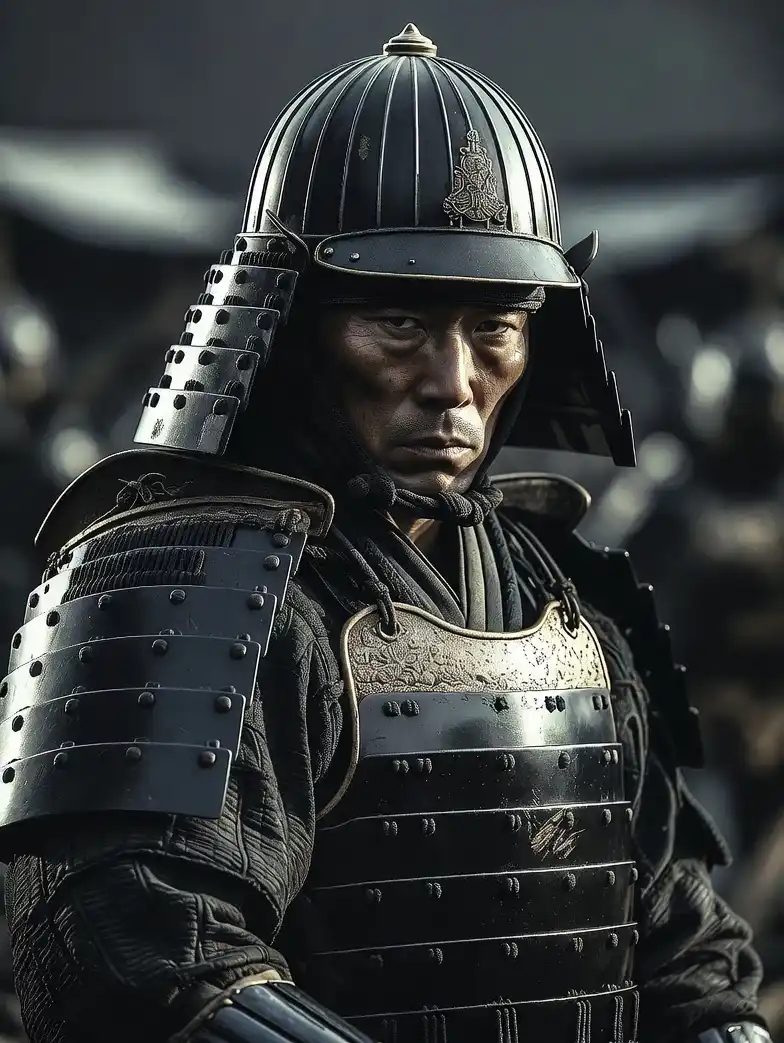
Shadows of the Shogun: The Enduring Legacy in Modern Culture
Though the samurai class was officially erased, their spirit proved impossible to extinguish. The descendants of these warriors channeled their intense discipline into education, business, and government, deeply influencing the trajectory of the modern Japanese nation. Today, the ghost of the samurai lingers in the boardroom loyalty of Japanese corporate culture, the rigorous respect taught in modern martial arts like Kendo, and the continuing fascination with their aesthetic beauty.
Through the masterful, sweeping cinema of Akira Kurosawa (Seven Samurai, Yojimbo) to modern anime and video games, the complex psychological struggle between duty (giri) and human emotion (ninjo) continues to captivate the globe.
This blog will serve as our ongoing expedition into this profound history. In the articles to come, we will explore the untold stories of female warriors, dissect the metallurgical miracles of the sword-smiths, and walk the misty, blood-stained paths of the ronin. Welcome to the Way of the Warrior.
Samurai Life and Culture
No Results Found
The page you requested could not be found. Try refining your search, or use the navigation above to locate the post.
Samurai History
No Results Found
The page you requested could not be found. Try refining your search, or use the navigation above to locate the post.
Samurai Armor and Helmets
No Results Found
The page you requested could not be found. Try refining your search, or use the navigation above to locate the post.
Samurai Cinema
No Results Found
The page you requested could not be found. Try refining your search, or use the navigation above to locate the post.
Samurai Exhibitions
No Results Found
The page you requested could not be found. Try refining your search, or use the navigation above to locate the post.
Babul Shop
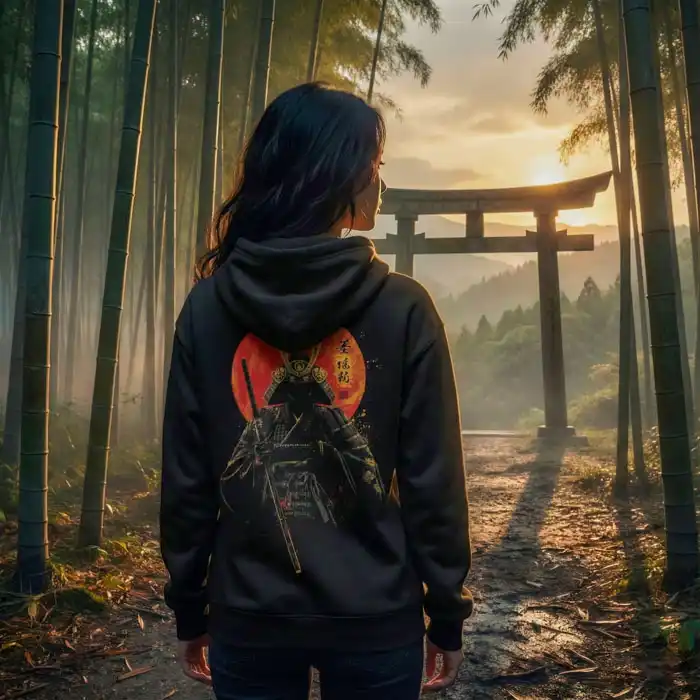
The Ultimate Guide: Where Can I Buy a Hoodie with Samurai Graphic Online?
The Ultimate Guide: Where Can I Buy a Hoodie with Samurai Graphic Online? – The Samurai Way of the Warrior Finding the perfect samurai hoodie is about more than just picking a cool picture; it’s about finding a piece of wearable art that aligns with your specific…

Espresso Yourself: Why Our CoffeeTherapy T-Shirts Are Cheaper Than a Shrink
Category: Fashion & Lifestyle | Read Time: 6 Minutes Let’s be honest: there are two versions of you. There is the pre-coffee version—a grunt-filled, zombie-like creature shuffling toward the kitchen—and the post-coffee version, a functioning member of society who…

I Am Looking for a Special Cool T-Shirts: Why Coffee Therapy is the Ultimate Wardrobe Fix.
If you’ve ever found yourself staring at your wardrobe on a Monday morning, clutching a mug of life-saving espresso and thinking, “I am looking for a special cool t-shirts that actually understands my soul,” then welcome home. You aren’t just looking for apparel;…
The Forges of the Modern Warrior: Master Artisans and Armorers
To walk the path of the bushi is to appreciate the profound weight of iron, leather, and silk. For those seeking to wrap themselves in the historical legacy of the samurai, several masterful workshops and digital armories not only craft these magnificent panoplies but deeply chronicle the evolution of the warrior class.
Iron Mountain Armory (samurai-armor.com / ironmountainarmory.com)
This armory is a revelation for both the martial artist and the historian. They masterfully detail the genealogy of yoroi (armor)—from the imposing, boxy silhouettes of the Heian mounted archers to the highly efficient, bullet-deflecting tōsei-gusoku (“modern equipment”) of the Warring States period. Beyond their rich historical guides, they handcraft fully functional, customizable armor sets, alongside authentic traditional garments like the hakama and the cross-over hakama-shita.
Marutake Armor Factory (marutake-yoroi.myshopify.com/en)
Located in Kagoshima Prefecture, Marutake is the undisputed titan of Japanese armor reproduction, commanding roughly ninety percent of the domestic market for replica armor used in cinema and historical festivals. Their online platform offers beautiful insights into the meticulous, traditional methods required to wear and maintain the armor, while selling breathtaking replicas of legendary warlords like Oda Nobunaga and Takeda Shingen.
Pacific Armory (pacificarmory.com)
For the uninitiated stepping into the world of Japanese metallurgy, Pacific Armory serves as a profound educational gateway. They beautifully demystify the complex terminology of the samurai panoply—breaking down the spiritual and practical purposes of the kabuto (helmet), the terrifying menpō (face mask), and the dō (cuirass). In tandem with this education, they supply handcrafted, authentic-style armor sets built for display, reenactment, and martial practice.
Sanctuaries of Antiquity: Museums and High-End Dealers
For the dedicated collector seeking to possess a genuine artifact forged centuries ago, these institutions bridge the gap between historical preservation and global commerce.
Samurai Museum Shop (samuraimuseum.jp/shop/)
Born from the Samurai Museum in Tokyo’s bustling Shinjuku district, this shop acts as an educational and cultural nexus. They publish detailed guides on how to legally acquire and care for authentic Japanese swords, while offering an astonishing inventory. Here, one can acquire museum-grade antique katanas, intricately carved tsuba (handguards), and magnificent Marutake replica armors.
Samurai Store (samuraistore.com)
This esteemed gallery operates with a deep reverence for the “ceremonial prestige aesthetic” of the Edo period. They offer a staggering array of 100% handcrafted replica armors, but their true allure lies in their curation of highly certified, antique yoroi and kabuto from the 16th to 19th centuries.
Giuseppe Piva Japanese Art (giuseppepiva.com)
Operating at the pinnacle of art dealing, this gallery offers deeply evocative, scholarly articles on the fundamental anatomy and construction of the samurai helmet. For the affluent collector, they offer extraordinarily rare, museum-quality antique armors and helmets, such as the exquisite Suji-bachi and Mōsunari kabuto.
The Path of the Martial Artist: Armaments and Traditional Garb
To understand the philosopher-poet heart of the samurai, one must look at the tools and garments that defined their daily, disciplined existence.
Tozando (tozandoshop.com / japanesesword.net)
Rooted in Kyoto, Tozando is an indispensable resource for the modern budō practitioner. Their blog is a treasure trove of historical research, exploring the daily routines, spiritual philosophies, and economic struggles of the Edo-period warrior. Alongside this profound storytelling, they sell an exhaustive array of martial arts equipment, newly forged katanas (shinsakuto), and traditional yoroi armor.
TrueKatana (truekatana.com)
This platform weaves evocative tales of historical samurai elegance, offering deep walkthroughs of the evolution of civil and martial clothing—from the restrictive kamishimo of the Edo courts to the breathable hitoe worn beneath armor. They cater to enthusiasts by selling a vast array of katanas, ninja swords, and complete Japanese samurai armor sets.
Katana Sword / Katana US (katana-sword.com / katana-us.com)
Delving into the invisible architecture of the warrior’s mind, their articles explore the intimate, spiritual relationship between the samurai, the sword as the “soul of the warrior,” and the overarching ethos of bushidō. Their storefront provides an extensive selection of custom blades, display swords, and samurai armor.
The Global Armories: Merchants of the Blade and Scale
The aesthetic of the samurai has transcended the borders of Japan, maintained by passionate global merchants who ensure the legacy of the bushi continues to echo around the world.
Kult of Athena (kultofathena.com)
As one of the largest global arms dealers, they chronicle the violent, beautiful evolution of the katana and the warriors who wielded it. Their vast inventory includes everything from raw blades to complete suits of samurai armor.
Suigenkyo Online Store (suigenkyo.store)
A beautiful digital space dedicated to preserving the history of Japanese craftsmanship. They offer deep cultural context and interviews with artisans, while serving as a primary vendor for the masterfully crafted Marutake samurai armor and exquisite civilian crafts.
Guardians Vault Australia (guardiansvaultaustralia.com)
This outfitter provides the physical foundation of the warrior’s attire. They offer traditional garments like the flowing hitatare kamishimo—the “upper and lower” clothing set—alongside samurai armor and weaponry.
Battle-Merchant (battlemerchant.com)
A sprawling European hub for historical reenactors. Their blog discusses the profound connection between Zen Buddhism, the bushidō code, and the art of swordsmanship. They supply a diverse range of armors, katanas, and maintenance kits.
Espadas y Más (espadasymas.com)
This Spanish marketplace explores the melancholic legacy of the rōnin (masterless samurai) and the profound bond of honor forged in steel. They cater to the European market with an array of anime-inspired weapons, historical Japanese helmets, and martial armor.
Wyrmwick (wyrmwick.com)
Though primarily focused on European and fantasy aesthetics, this UK-based armory provides high-quality polyurethane armor replicas for historical reenactment, film, and theater, offering an accessible entry point for those wishing to don the heavy mantle of the past.