We examine the historical evolution, cultural identity, and cinematic legacy of the samurai. They detail the transition of these warriors from feudal protectors to peacetime bureaucrats during the Edo period, eventually leading to their abolition in the late 19th century. Significant focus is placed on Akira Kurosawa, whose landmark films like Seven Samurai and Yojimbo redefined the jidaigeki genre and influenced global media, including Westerns and modern science fiction. The materials also highlight the technical artistry of samurai craft, from the meticulous polishing of katana blades to the specific functions of traditional armor like the kabuto and menpo. Educational and travel resources invite modern audiences to engage with this heritage through museum exhibitions, historical sites in Aizuwakamatsu, and contemporary cosplay. Ultimately, this blog illustrate how the bushidō code of honor continues to shape both Japanese social structures and international popular culture.
Stay Tuned!
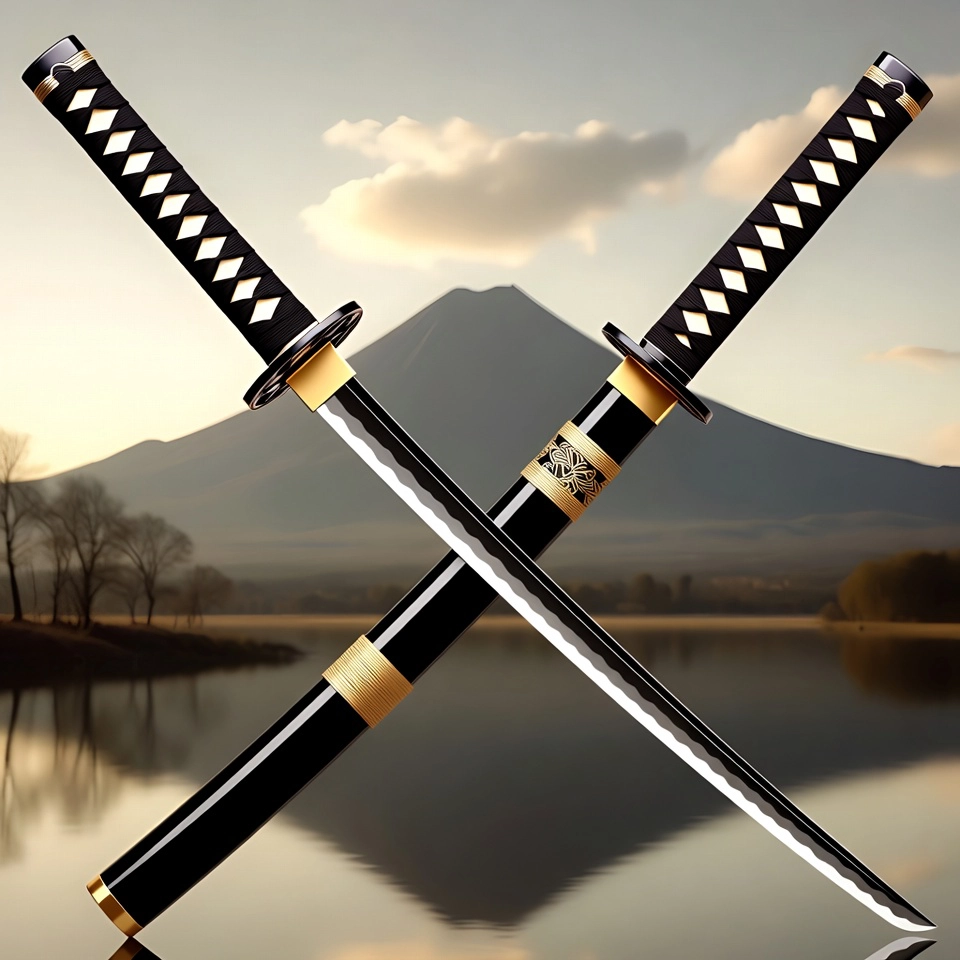
The primary weapon of the samurai
There was no single primary weapon across their entire history; rather, their favored instrument of war evolved in harmony with the changing tides of battle and society. The wind howls across the plains of feudal Japan, carrying the scent of pine and impending…
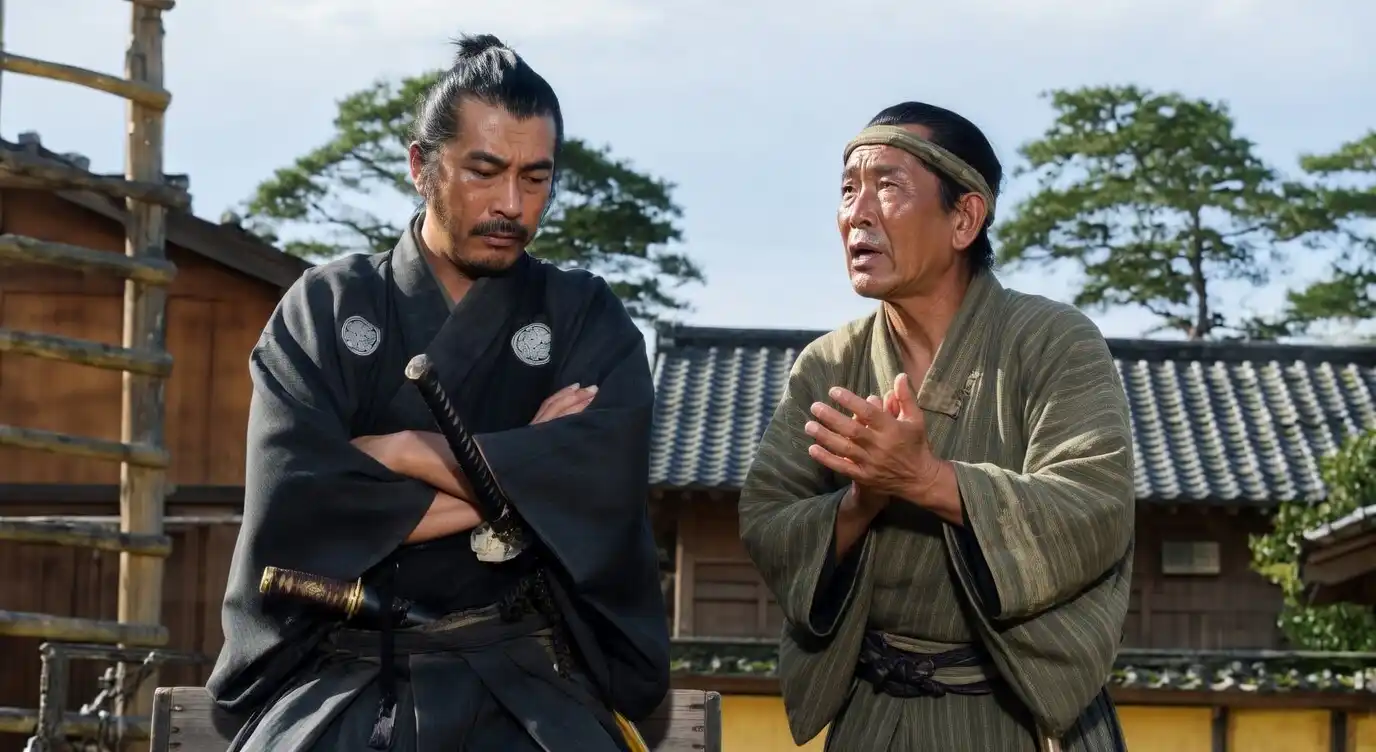
A Sci-Fi Remake Of An Akira Kurosawa Seven Samurai Classic Has To Be Seen To Be Believed
Akira Kurosawa Seven Samurai Classic. How far can the soul of a sword travel? Is it bound by the gravity of the earth, destined only to echo in the rain-drenched soil of 16th-century Japan, or does the spirit of the bushi transcend into the cold vacuum of space? Akira…
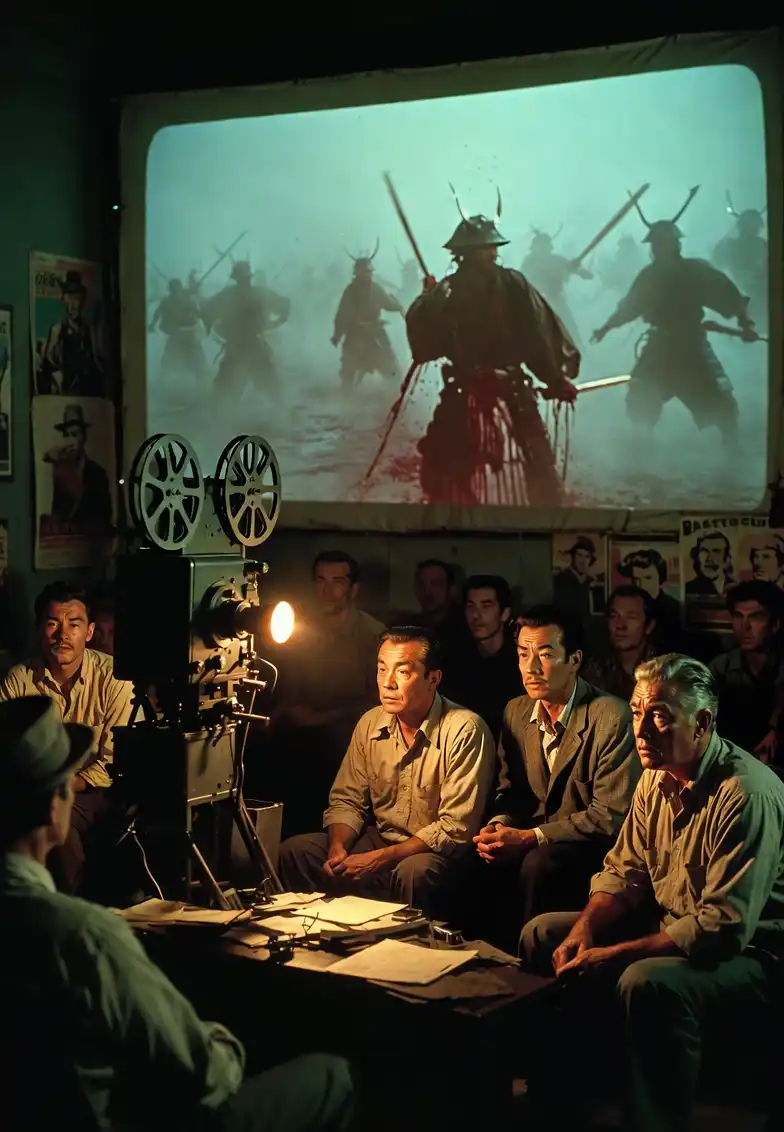
Kurosawa’s films influence modern stories like Star Wars
When we gaze up at the starlit expanse of a cinematic galaxy far, far away, we are, in truth, looking down into the rain-soaked mud and mist of feudal Japan. Long before lightsabers hummed in the dark, the sharp ring of the samurai sword echoed through the visionary…
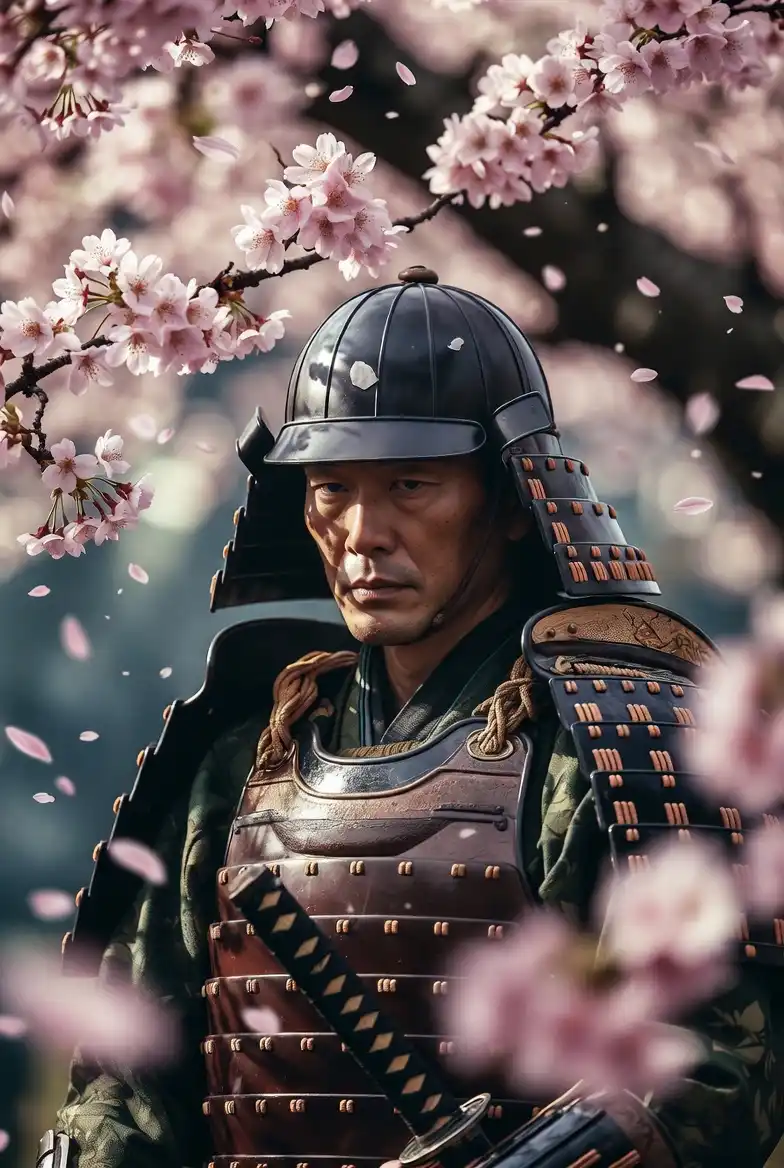
Mono no Aware
It fit not as a contradiction, but as the very heart of the samurai soul. Mono no aware — that exquisite, aching awareness of how beautiful things are precisely because they are fleeting — was never a soft indulgence for the bushi. It was the emotional and…
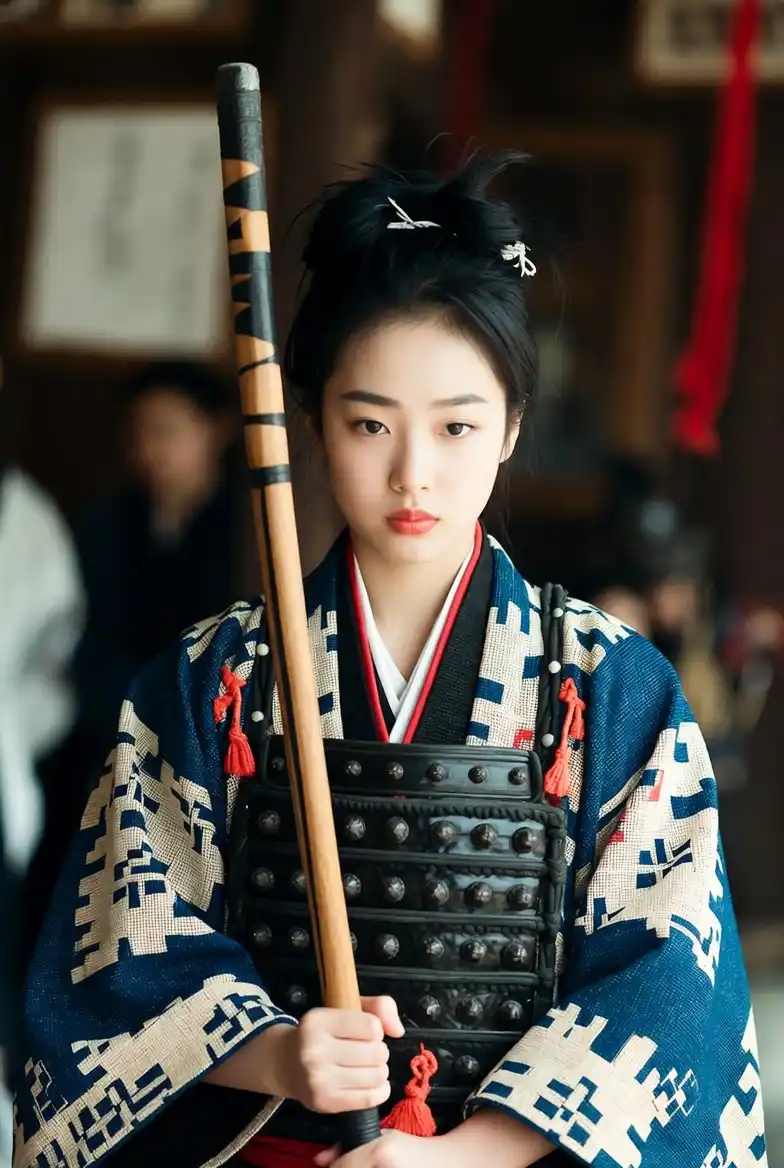
The Guardian of the Inner Sanctum: The Heavy Mantle of the Samurai Women (Oku-sama)
The Guardian of the Inner Sanctum: The Heavy Mantle of the Samurai Women (Oku-sama) – The Samurai Way of the Warrior Samurai women (Oku-sama) of the bushi (warrior class) were explicitly expected to defend their homes, estates, and castles as a fundamental duty rooted…
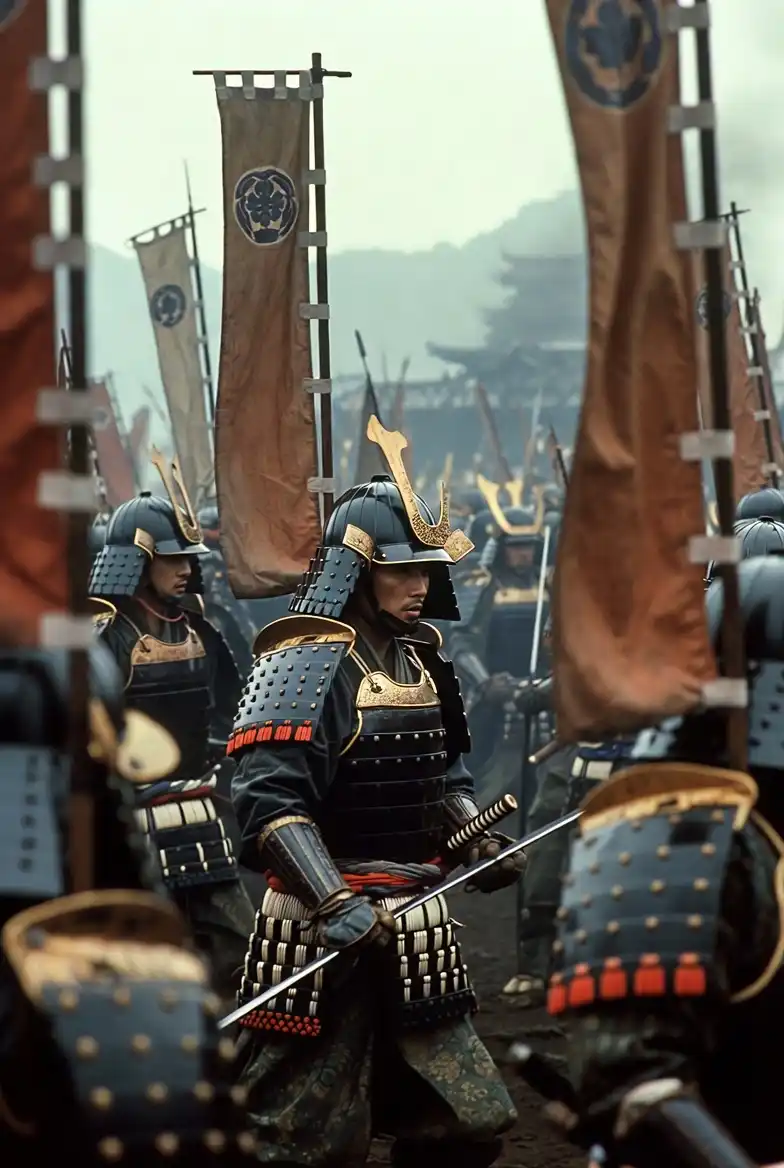
Kagemusha (Shadow Warrior, 1980), Akira Kurosawa’s epic jidaigeki masterpiece
Kagemusha (Shadow Warrior, 1980), Akira Kurosawa’s epic jidaigeki masterpiece, ranks among the most historically accurate and atmospherically evocative depictions of samurai life in cinema. Set in the late Sengoku period (specifically 1571–1575), it dramatizes the…
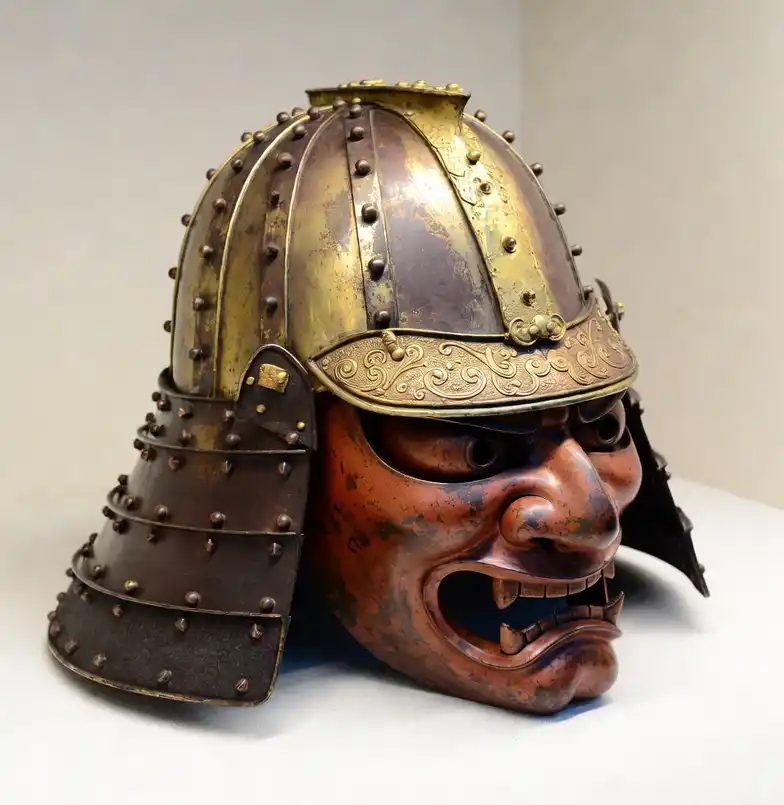
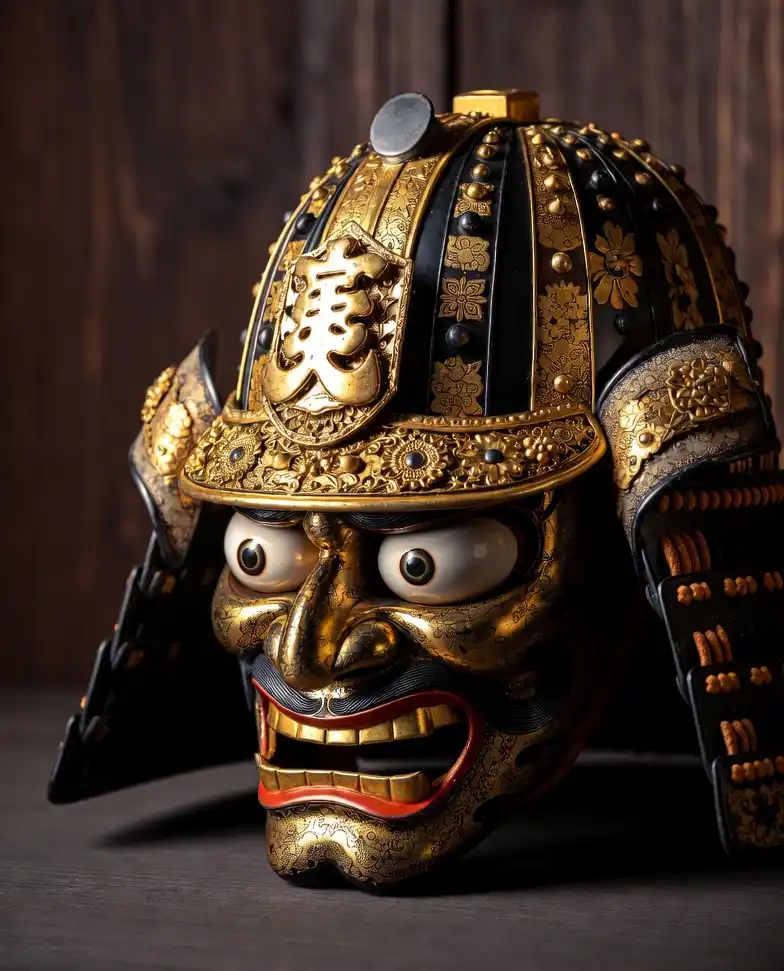
The magnificent Owari Tokugawa helmet (kabuto) and menpō (face guard)
To stand before the hereditary treasures of the Owari Tokugawa clan is to be confronted by the breathtaking weight of power, frozen in iron, lacquer, and silver. Housed within the hushed galleries of the Tokugawa Art Museum in Nagoya—a sanctuary preserving the…
Shadows of the Shogun: The Tokugawa Art Museum
Located in Nagoya, the Tokugawa Art Museum is a unique cultural sanctuary dedicated to the heritage of the Owari Tokugawa clan, the most senior branch of the Tokugawa Shogunate. Unlike many national collections that piece together history from various sources, this…
Europe’s High-Tech Sanctuary: Discover the Samurai Museum Berlin
Europe’s High-Tech Sanctuary: Samurai Museum Berlin – An Immersive Journey Through the Permanent Exhibition. If you think samurai history belongs behind dusty glass cases in traditional museums, prepare to have your expectations shattered. Tucked away in Berlin’s…
A journey through the most compelling current and recent exhibitions exploring the true way of the warrior
To stand in the hushed, twilight shadows of a museum gallery and gaze upon the polished steel of a centuries-old blade is to look directly into the soul of Japan’s history. Around the world, curators and historians are increasingly recognizing that the bushi—the…
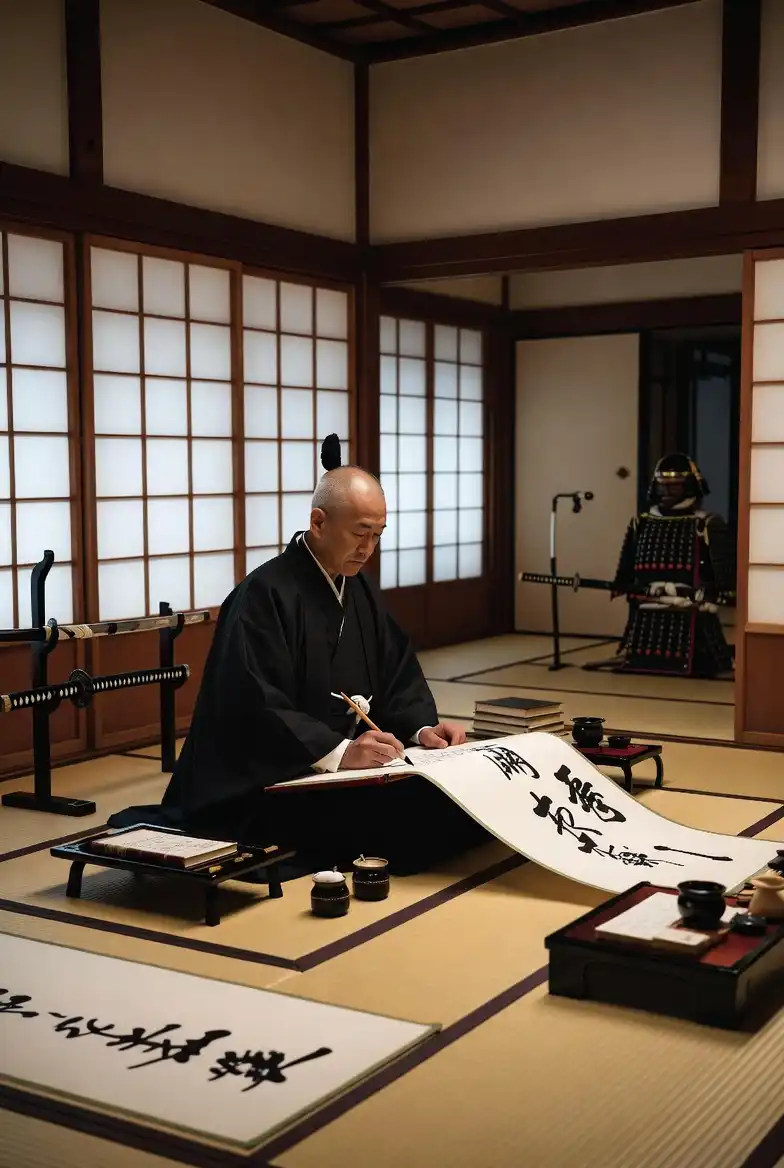
The daily life of a Samurai Warrior in his household
Slide open the heavy wooden gates of the nagaya-mon, step past the gravel courtyard, and listen to the profound, ordered silence. To truly comprehend the men who walked the path of the sword, we must step away from the blood-soaked battlefields and into the quiet,…
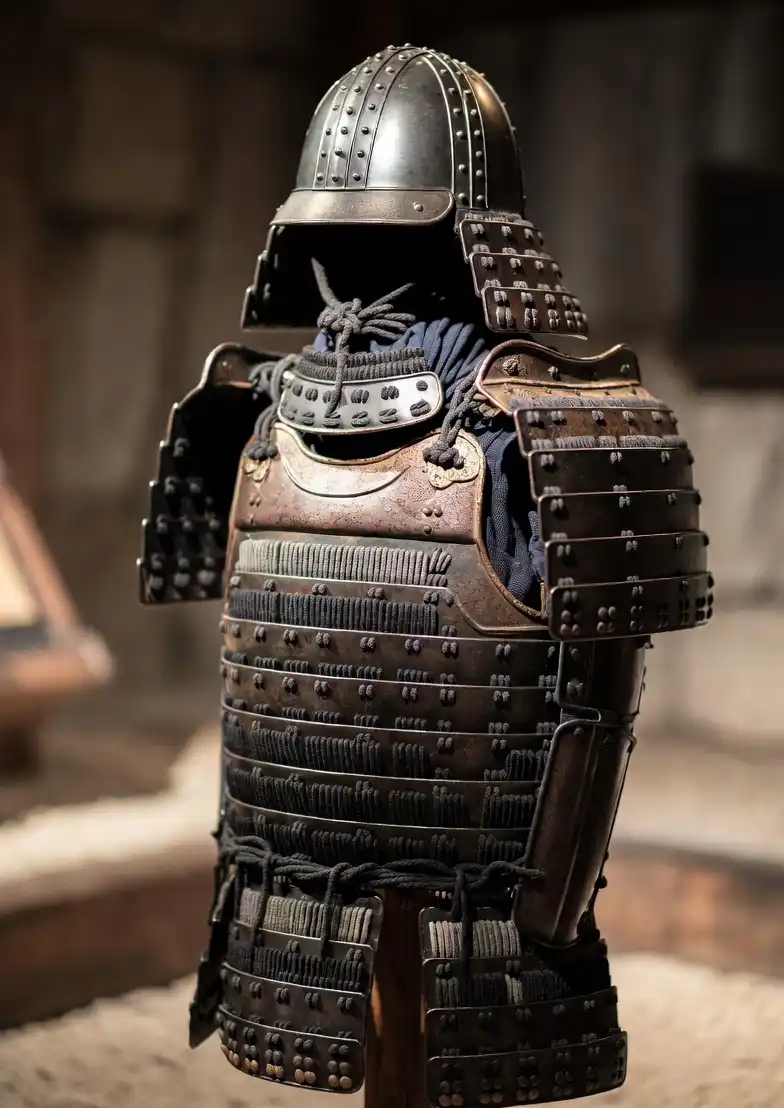
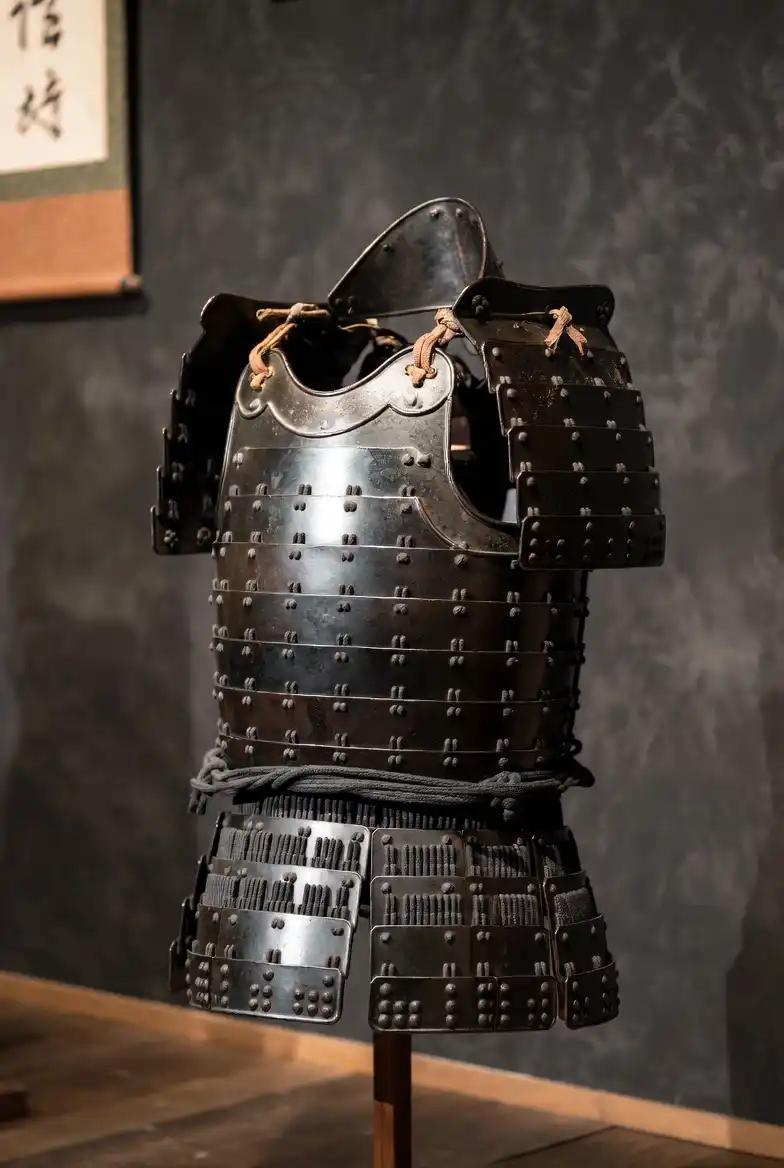
How did Samurai armor evolve for different types of warfare
To trace the lineage of samurai armor is to read the bloody, beautiful history of Japanese warfare written in iron, leather, and silk. The bushi (warriors) did not merely wear their protective gear; they inhabited it. As the nature of combat shifted across the…
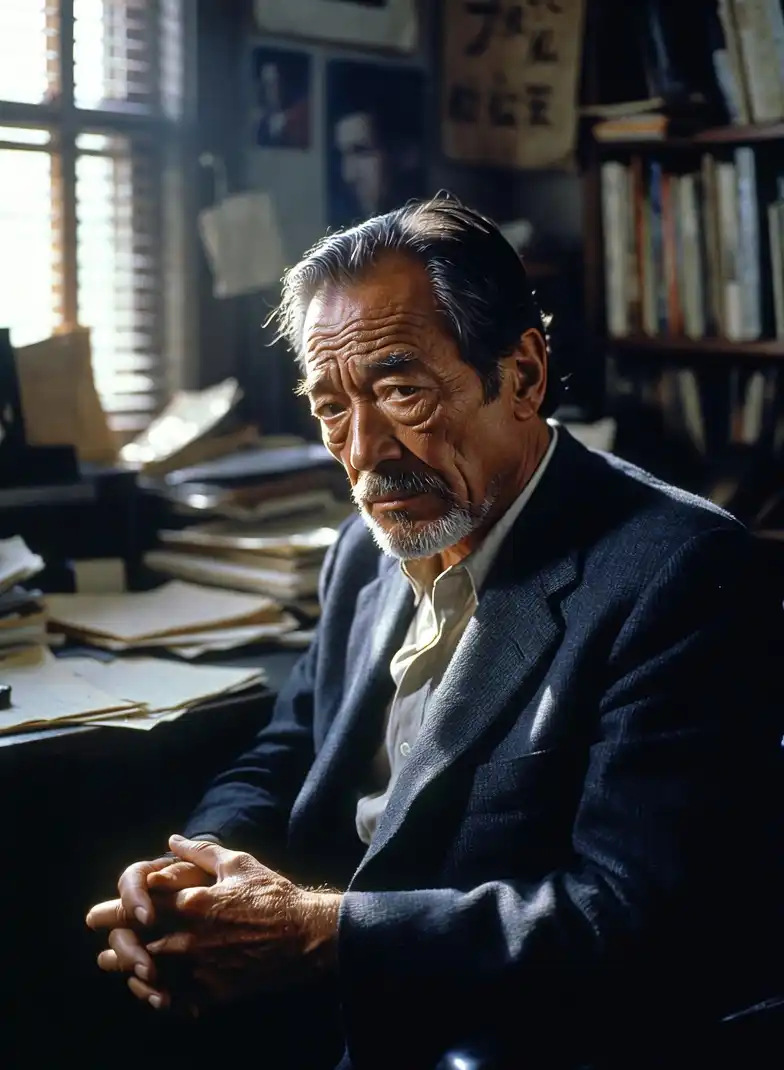
Western movies were inspired by Kurosawa’s Samurai epics
When the golden age of the American cowboy picture began to wane in the mid-twentieth century, Hollywood filmmakers found themselves staring into a creative abyss. They needed a new mythology, a deeper well of moral ambiguity and kinetic violence. They found their…
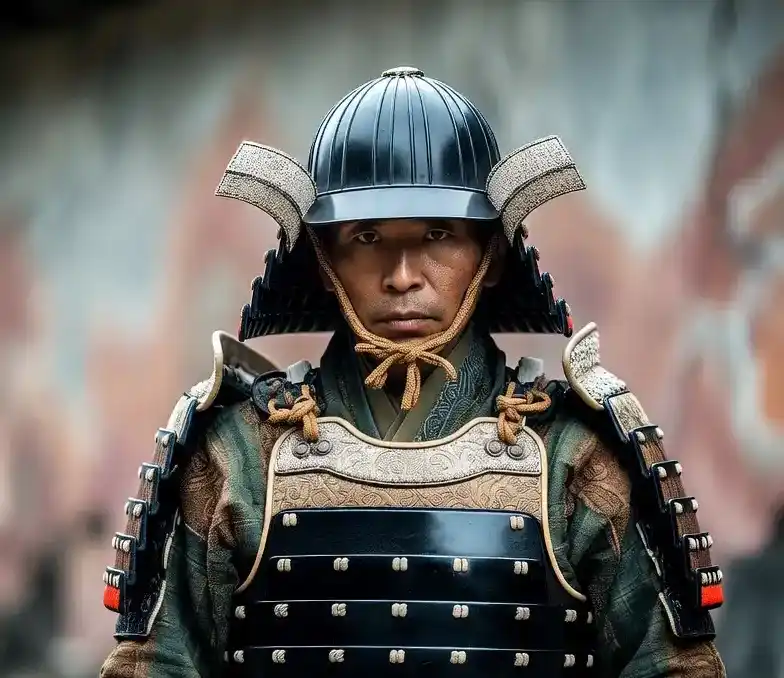
The Colors of the Samurai
To gaze upon a samurai is to witness a walking tapestry of martial philosophy and lethal beauty. The garments and armor they wore were not merely functional equipment designed to deflect a blade; they were a vivid, unspoken language of status, spiritual conviction,…
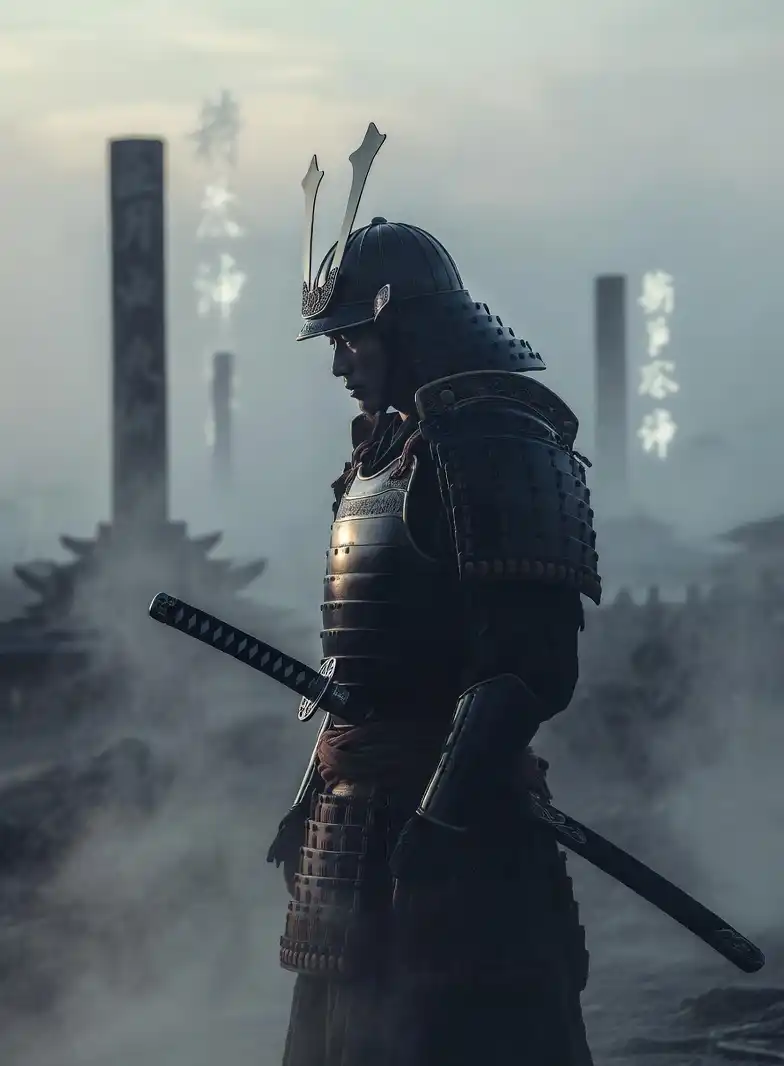
The Rust Upon the Blade: When the Samurai Began to Fade
To the romantic imagination, the twilight of the samurai evokes the image of a sudden, glorious, and tragic final stand upon a blood-soaked battlefield. Yet, the historical reality is far more melancholic. The decline of Japan’s warrior elite did not begin with…
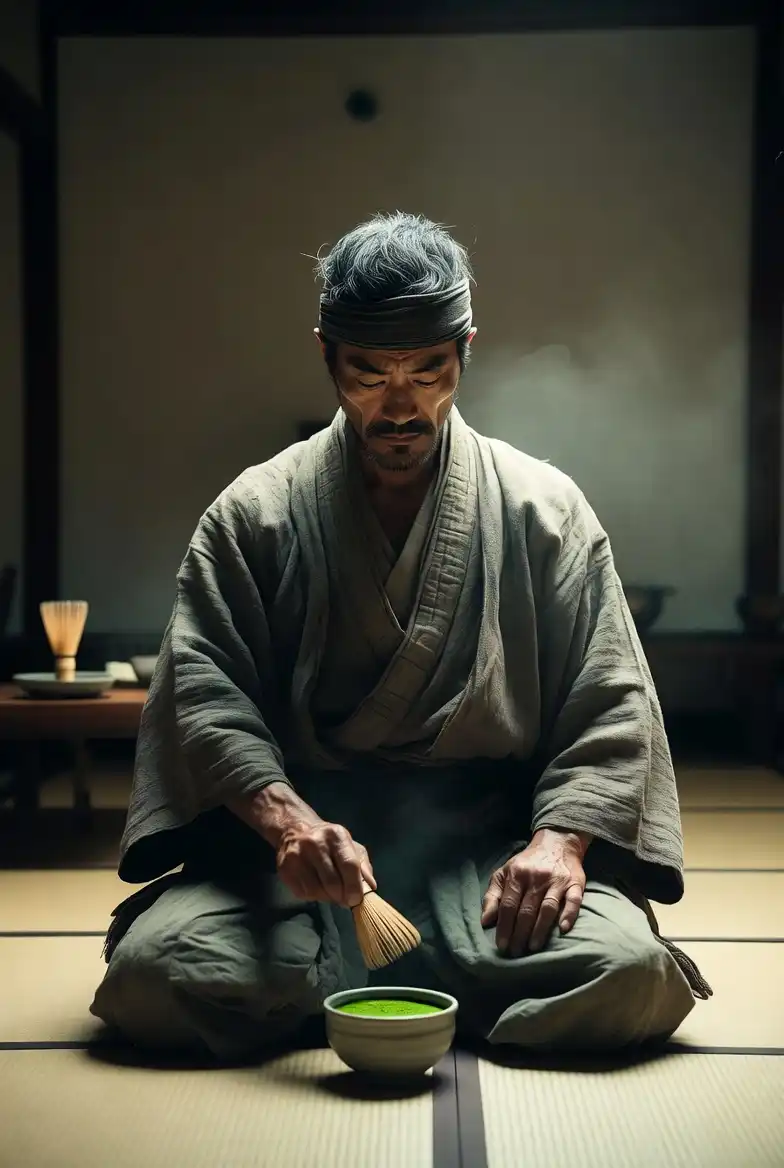
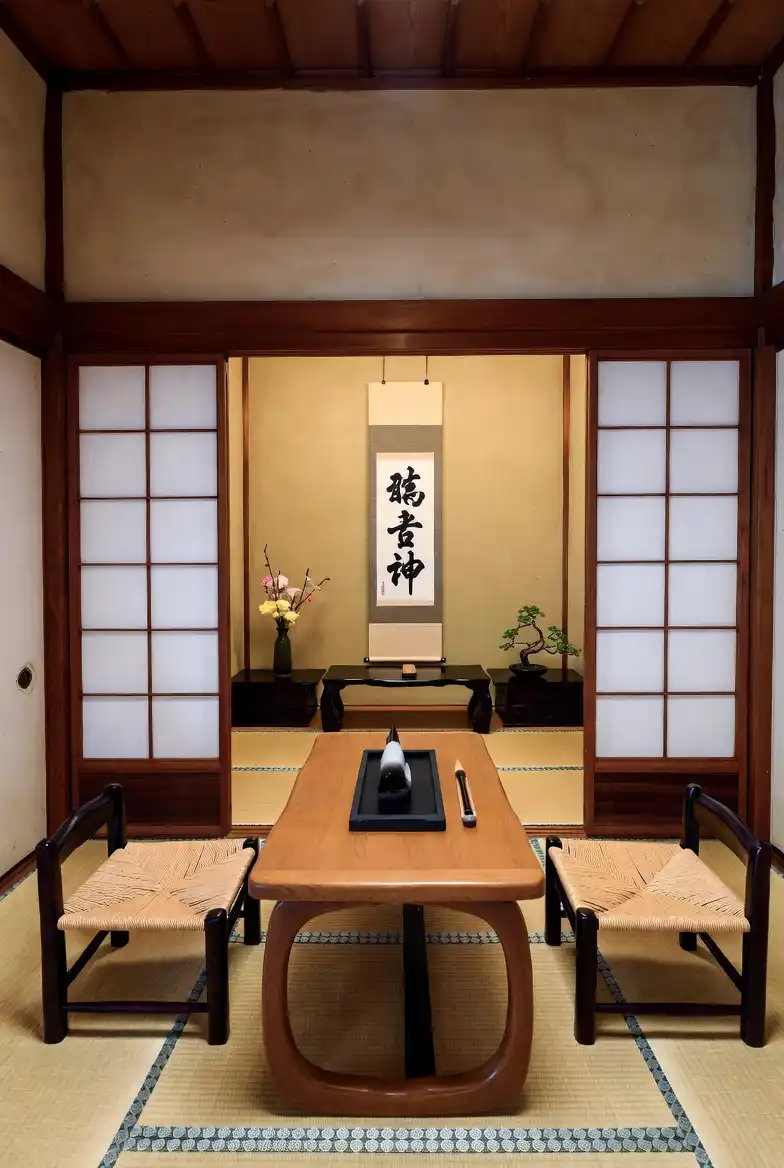
The spiritual significance of the tea ceremony in a samurai’s life
The spiritual significance of the tea ceremony in a samurai’s life – The Samurai Way of the Warrior Picture a hardened warrior, a man whose life is dictated by the lethal arc of a blade, kneeling quietly in a space no larger than a few woven mats. The scent of pine…
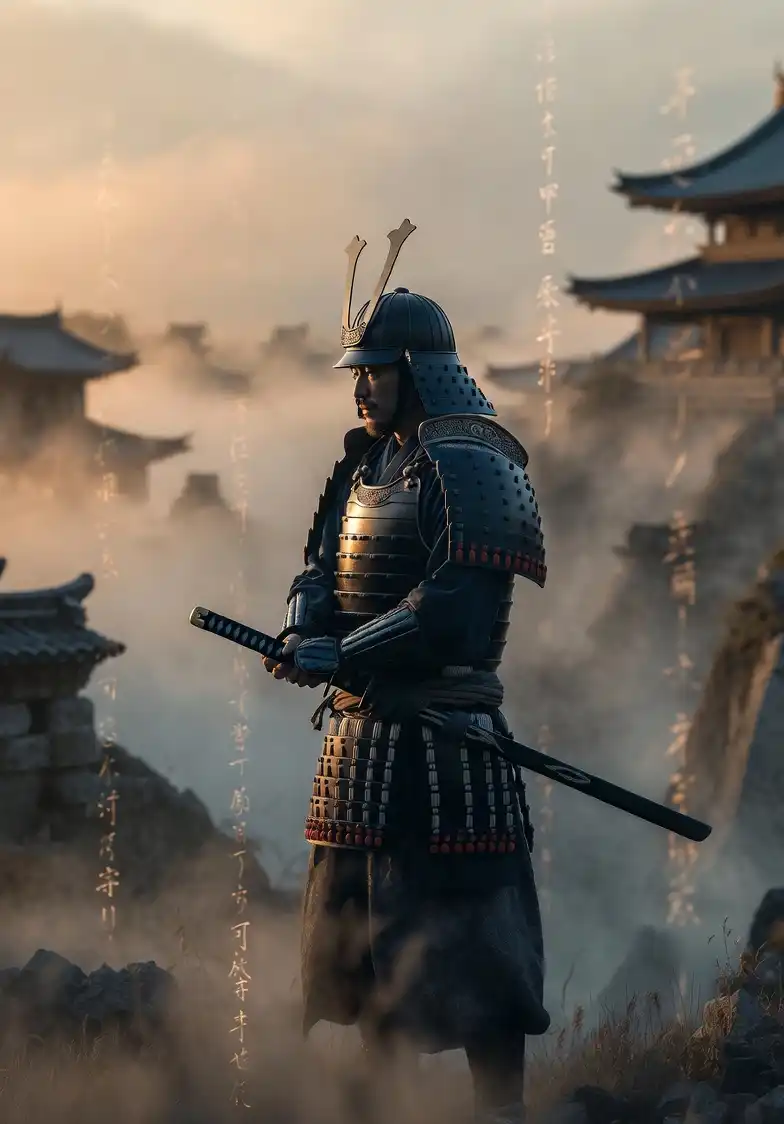
The Invisible Armor: The Seven Virtues of Bushido
The Invisible Armor: The Seven Virtues of Bushido – The Samurai Way of the Warrior The Seven Pillars of the Samurai Soul To hold a blade capable of severing flesh and bone is a terrifying responsibility. In the quiet, mist-shrouded dawns of feudal Japan, the answer to…
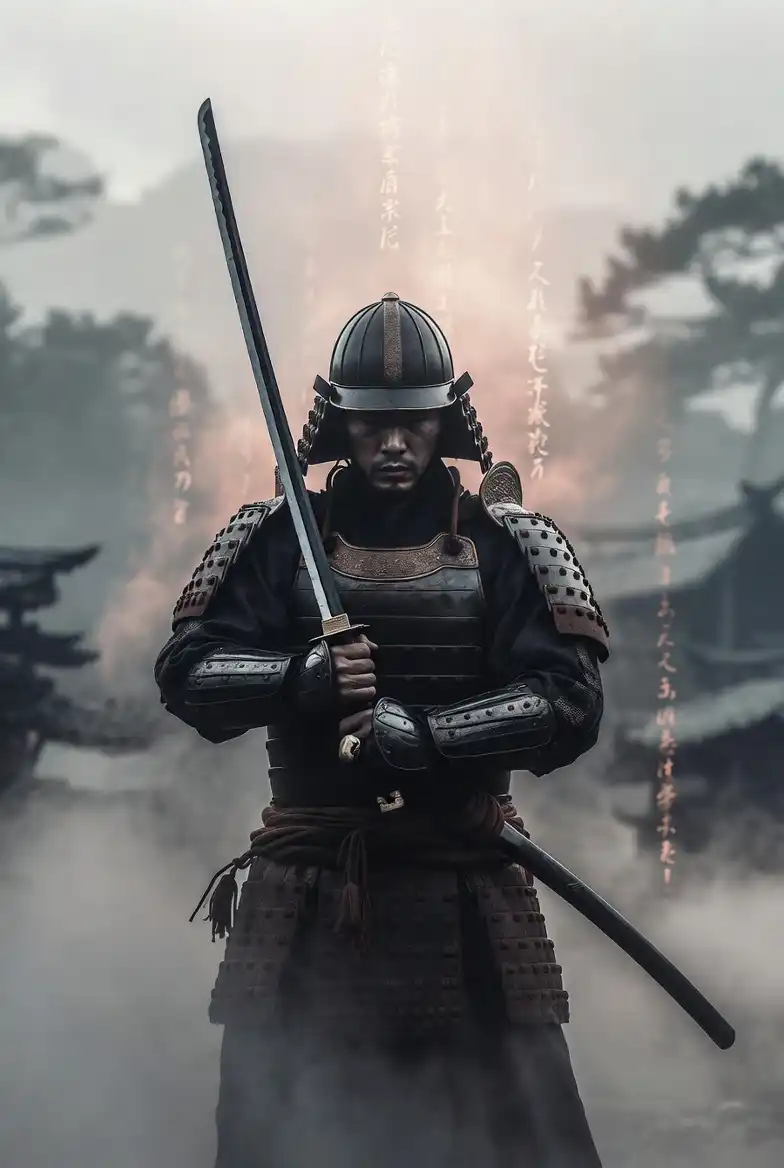
The Invisible Armor. To hold a blade is a terrifying responsibility.
The Invisible Armor. To hold a blade is a terrifying responsibility. – The Samurai Way of the Warrior What separates a mere killer from a master? To hold a blade capable of severing flesh and bone is a terrifying responsibility. In the quiet, mist-shrouded dawns of…
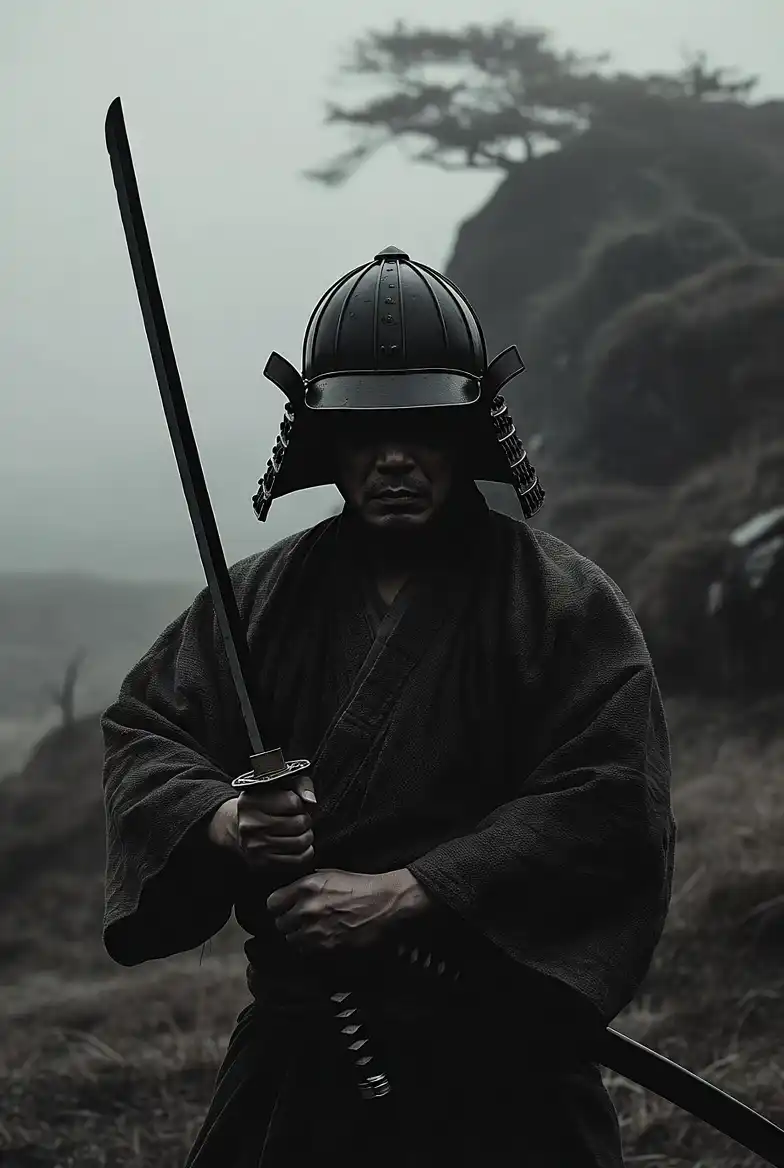
Kamishimo, the ubiquitous formal uniform of the samurai class
When the fires of the Warring States period finally cooled and the Tokugawa shogunate ushered in an era of profound peace, the samurai found themselves transformed. No longer strictly battlefield combatants, they became the cultured bureaucrats and administrators of a…
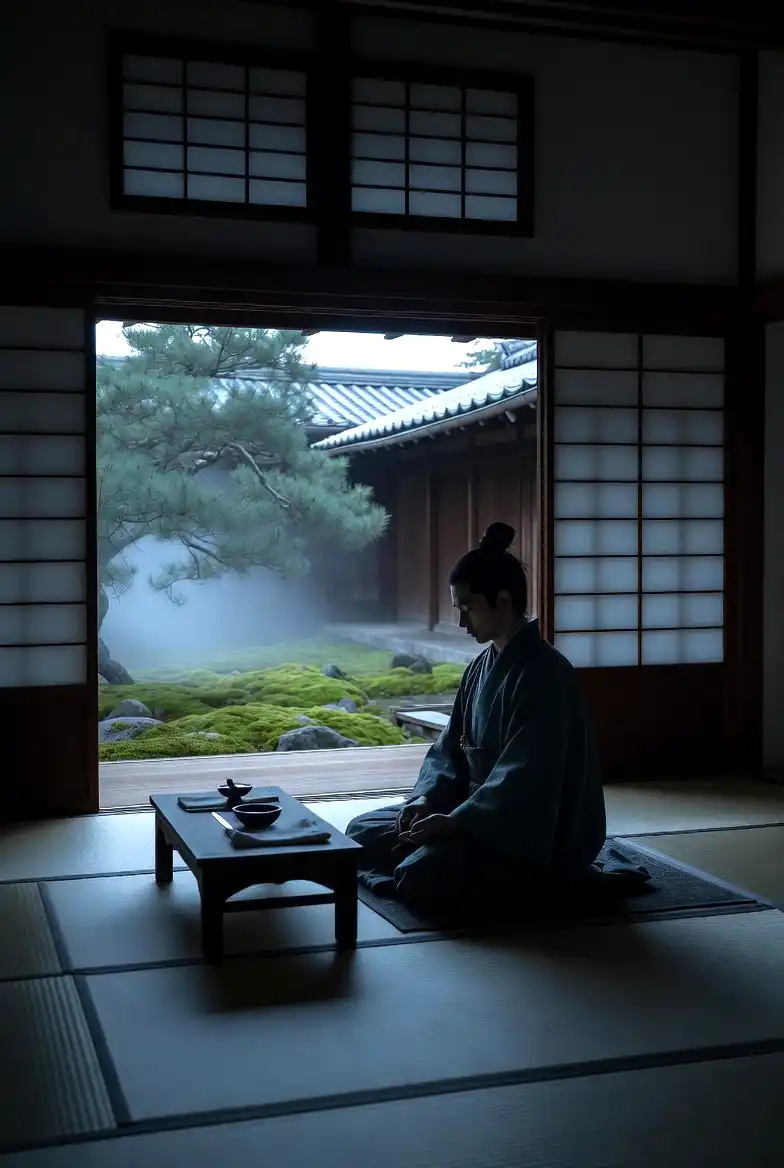
To wake-up as a Samurai
The Samurai daily routine. What does it mean to wake each day as a man who has already accepted his own death? Long before the sun crested the horizon, while the rest of the world remained submerged in the soft oblivion of sleep, the samurai’s day had already begun….