There was no single primary weapon across their entire history; rather, their favored instrument of war evolved in harmony with the changing tides of battle and society. The wind howls across the plains of feudal Japan, carrying the scent of pine and impending conflict. When we picture the noble samurai standing amidst this tempest, our modern minds instinctively draw a single, curved blade in their hands. Yet, to truly understand the tapestry of the lifestyle led by these warrior-poets, we must look beyond the silver flash of the sword. The reality of the samurai’s arsenal is a chronicle of adaptation, shifting through centuries of bloody civil war and profound philosophical contemplation.
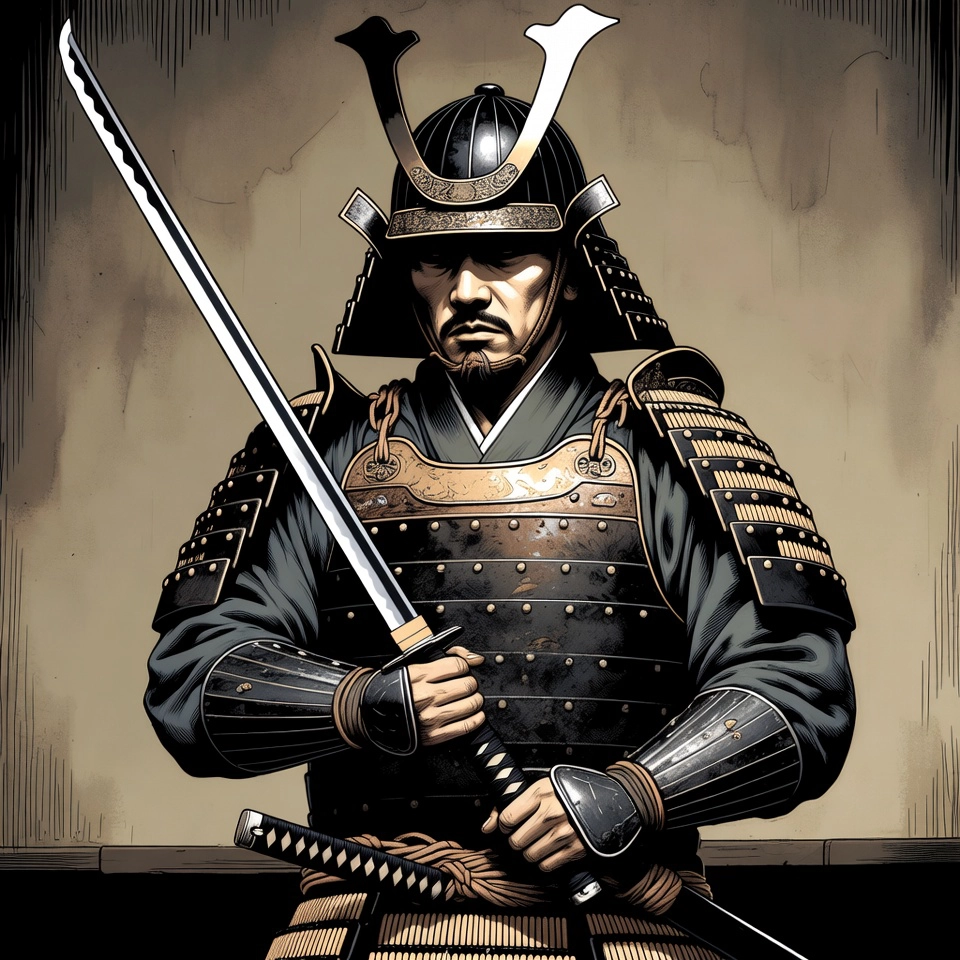
The Yumi: The Ancient Soul of the Mounted Archer
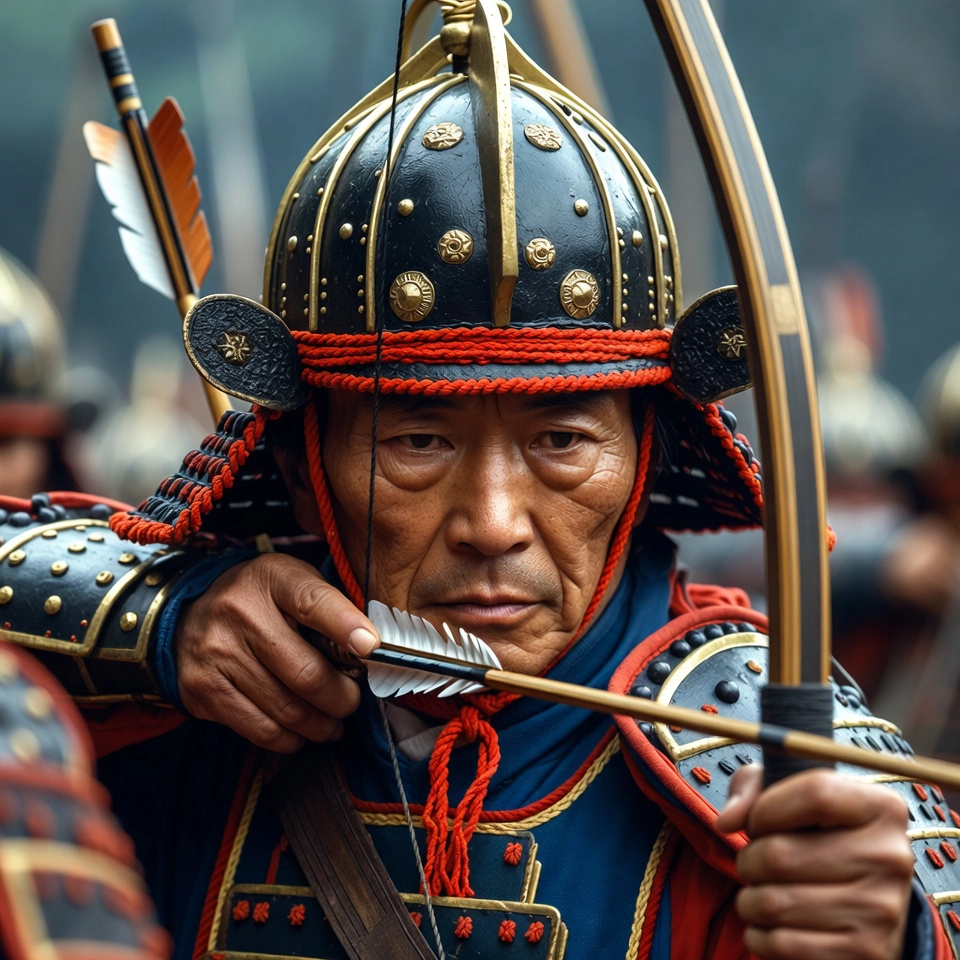
For much of Japan’s early history, from the Heian period into the Kamakura era, the undeniable primary weapon of the samurai was the longbow, or yumi. In these formative centuries, the warrior elite were primarily mounted aristocrats whose power lay in their mastery of the horse and the arrow. The bow was considered the absolute pinnacle of military technology, and mastering it was the most vital skill a warrior could possess.
Forged by meticulously laminating bamboo around a wooden core, the yumi was exceptionally powerful, capable of piercing armor, and could reach up to eight feet in length. Samurai dedicated their lives to kyujutsu (the art of the bow), practicing both rapid battlefield firing and highly ritualized, graceful forms of mounted archery known as yabusame. In these early days of chivalric combat, the sword was merely a secondary weapon, drawn only when the arrows ran dry or the fighting grew desperately close.
The Yari and the Changing Tides of the Sengoku Battlefield
As the solitary duels of mounted archers gave way to the brutal, large-scale infantry clashes of the Sengoku Jidai (Warring States Period), the primary tools of destruction shifted to meet the demands of mass warfare. The yari (spear) emerged as a dominant weapon on the chaotic battlefield. The yari allowed warriors to strike from a distance, hold formations, and was devastatingly effective against charging cavalry. Mastering sojutsu (spearmanship) became essential for survival, with many samurai preferring the reach and versatility of the spear over any blade during open warfare.
Alongside the spear, the mid-16th century heralded a terrifying new roar on the battlefield: the tanegashima, or matchlock musket. Introduced by Portuguese explorers in 1543, these firearms quickly became a primary weapon of war. Visionary warlords like Oda Nobunaga utilized thousands of these weapons in organized volleys to shatter traditional cavalry charges. This proved that the samurai were not bound by rigid nostalgia, but were pragmatic tacticians willing to adapt their primary arsenal to survive.
The Katana: The Eternal Soul of the Warrior
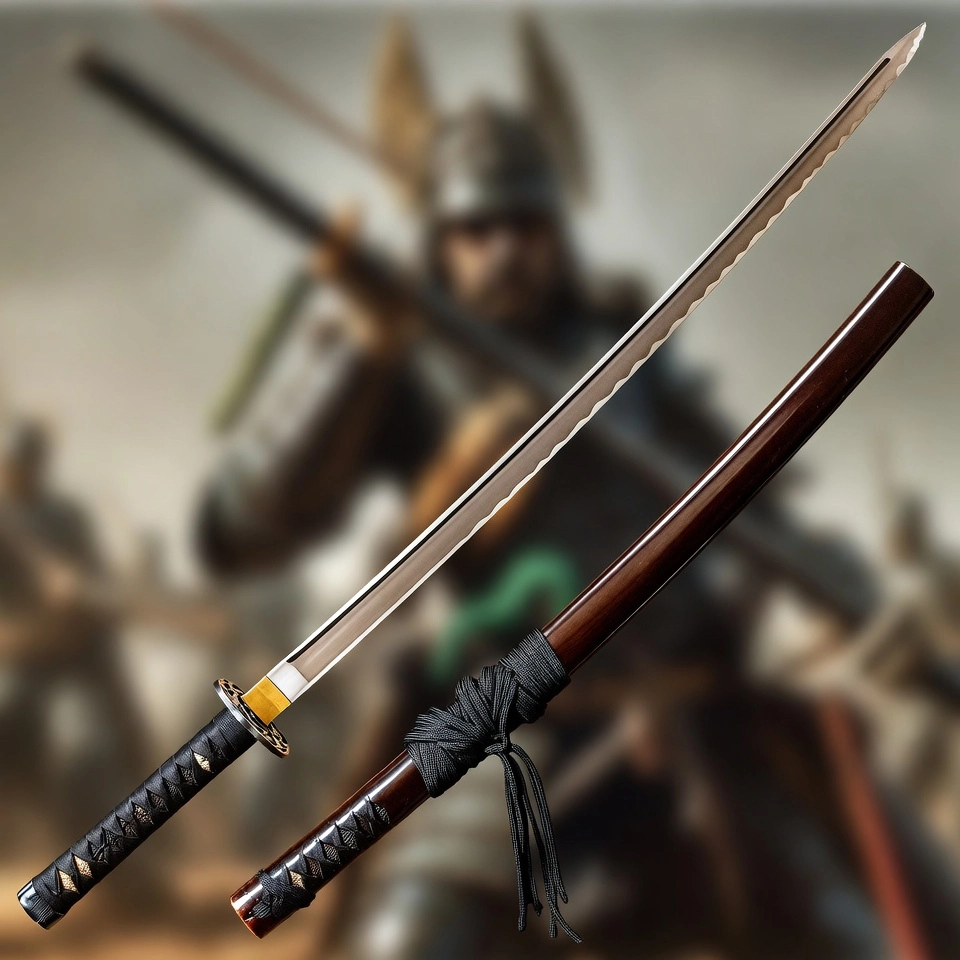
Despite the battlefield supremacy of bows, spears, and muskets, it is the sword that ultimately claimed the title of the samurai’s most iconic and enduring primary weapon. The evolution began with the tachi, a long, deeply curved blade worn edge-down and drawn by cavalrymen. However, as close-quarters infantry combat became more prevalent, the katana was born. Shorter, with a shallower curve and worn edge-up thrust through the belt, the katana allowed for a lightning-fast draw and lethal strike in a single, fluid motion.
When the Tokugawa shogunate unified Japan and ushered in the 250-year peace of the Edo period, the samurai transitioned from active battlefield combatants to cultured bureaucrats and administrators. In this era of tranquility, the bow and spear lost their daily utility, and the katana was elevated to an almost divine status. Paired with the shorter wakizashi to form the daisho (large and small), these twin blades became the exclusive legal privilege of the samurai class, serving as a visible manifestation of their elite status and unyielding authority.
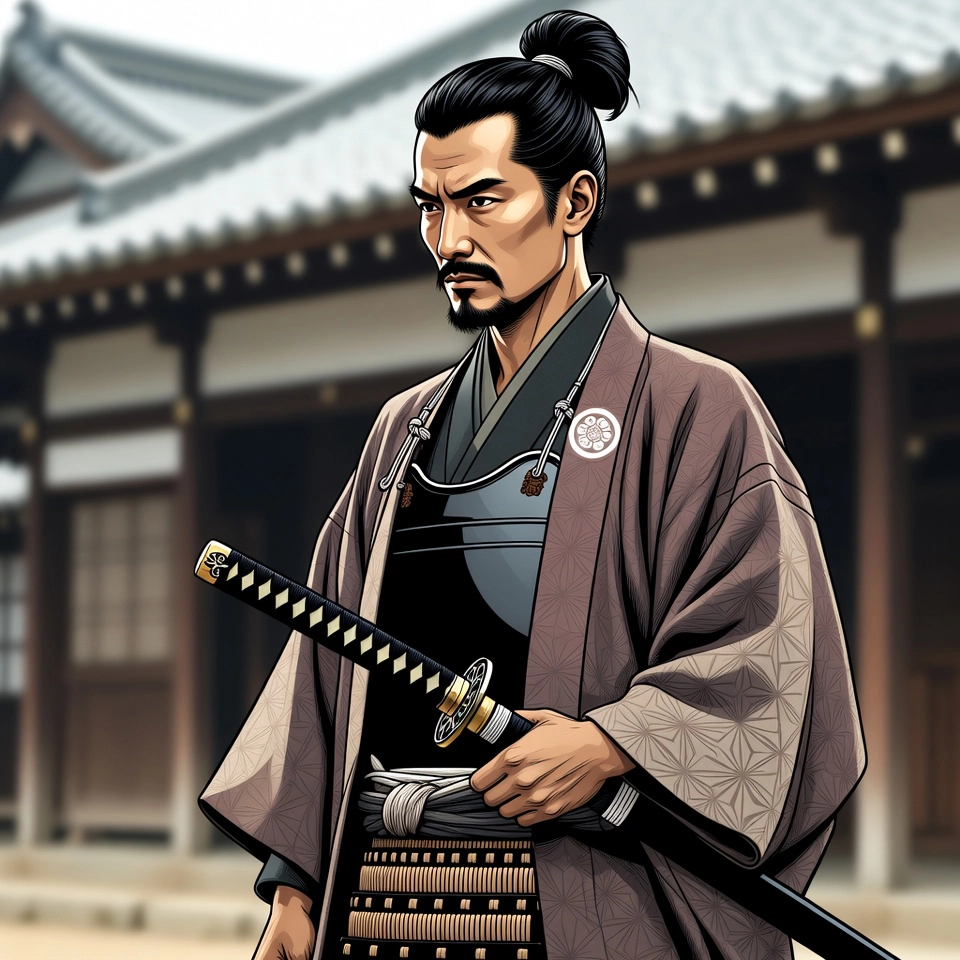
In this peaceful era, the sword transcended its role as a mere tool of violence; it became the literal and metaphorical “soul of the samurai”. Imbued with the spiritual teachings of Zen Buddhism and the strict moral code of bushido, the katana was a physical representation of the warrior’s honor, discipline, and willingness to die for their lord. It was treated with profound reverence, polished to a mirror finish not just to sever flesh, but to reflect the very spirit of the philosopher-poet who wielded it. Thus, while the bow conquered the early battlefields, the katana conquered history, forever cementing itself as the primary weapon of the samurai’s cultural legacy.
- The primary weapon of the samuraiThere was no single primary weapon across their entire history; rather, their favored instrument of war evolved in harmony with the changing tides of battle and society. The wind howls across the plains of feudal Japan, carrying the scent of pine and impending conflict. When we picture the noble samurai standing amidst this tempest, our… Read more: The primary weapon of the samurai
- Kurosawa’s films influence modern stories like Star WarsWhen we gaze up at the starlit expanse of a cinematic galaxy far, far away, we are, in truth, looking down into the rain-soaked mud and mist of feudal Japan. Long before lightsabers hummed in the dark, the sharp ring of the samurai sword echoed through the visionary mind of Japanese auteur Akira Kurosawa. To understand the… Read more: Kurosawa’s films influence modern stories like Star Wars
- Mono no AwareIt fit not as a contradiction, but as the very heart of the samurai soul. Mono no aware — that exquisite, aching awareness of how beautiful things are precisely because they are fleeting — was never a soft indulgence for the bushi. It was the emotional and philosophical steel that made their hardness meaningful. The… Read more: Mono no Aware
- The Guardian of the Inner Sanctum: The Heavy Mantle of the Samurai Women (Oku-sama)Samurai women (Oku-sama) of the bushi (warrior class) were explicitly expected to defend their homes, estates, and castles as a fundamental duty rooted in loyalty to family, clan honor, and the samurai ethos. While men fought on distant battlefields, wives, mothers, and daughters served as the last line of protection for the household—especially during the… Read more: The Guardian of the Inner Sanctum: The Heavy Mantle of the Samurai Women (Oku-sama)
- The magnificent Owari Tokugawa helmet (kabuto) and menpō (face guard)To stand before the hereditary treasures of the Owari Tokugawa clan is to be confronted by the breathtaking weight of power, frozen in iron, lacquer, and silver. Housed within the hushed galleries of the Tokugawa Art Museum in Nagoya—a sanctuary preserving the unbroken lineage of the most senior branch of the Tokugawa shogunate—these artifacts tell… Read more: The magnificent Owari Tokugawa helmet (kabuto) and menpō (face guard)